Song Meaning
These lyrics paint a stark picture of a nation haunted by figures from its past, who reappear with brazen confidence. They seem to emerge "de vez en cuando," like ghosts, specifically to ensure that the established "ordenanzas" – the laws and traditions they passed down – remain untouched. This creates an immediate sense of stagnation, a fear that progress is actively being suppressed by those who claim to be guardians of the legacy.
The central tension lies in the ironic question posed: "Quien te salvará de tus salvadores?" This rhetorical jab highlights the paradox of those who present themselves as protectors but, in reality, seem to perpetuate a system that harms the very "patria" they claim to defend. The "salvadores" are depicted as unafraid, wielding authority and proclaiming themselves the guarantors of a "libre mercado reinante," a dominant free market.
The most striking aspect is the recurring image of these figures acting "con descaro" – with brazenness or impudence. They "levantan la voz de mando" and "defienden con dura mano," suggesting an authoritarian approach. The lyrics explicitly state that their actions lead to "leyes que ofenden las dignidades," leaving the populace "sin un amparo" when justice is forgotten. This deliberate contrast between the self-proclaimed role of savior and the actual outcome of oppression is the core of the song's critique.
Ultimately, the effectiveness of these lyrics stems from their sharp, accusatory tone and the potent imagery of spectral figures imposing outdated laws. The repeated, almost chant-like question about the "salvadores" lodges itself in the listener's mind, forcing a confrontation with the idea that those in power might be the very source of a nation's suffering, rather than its cure.
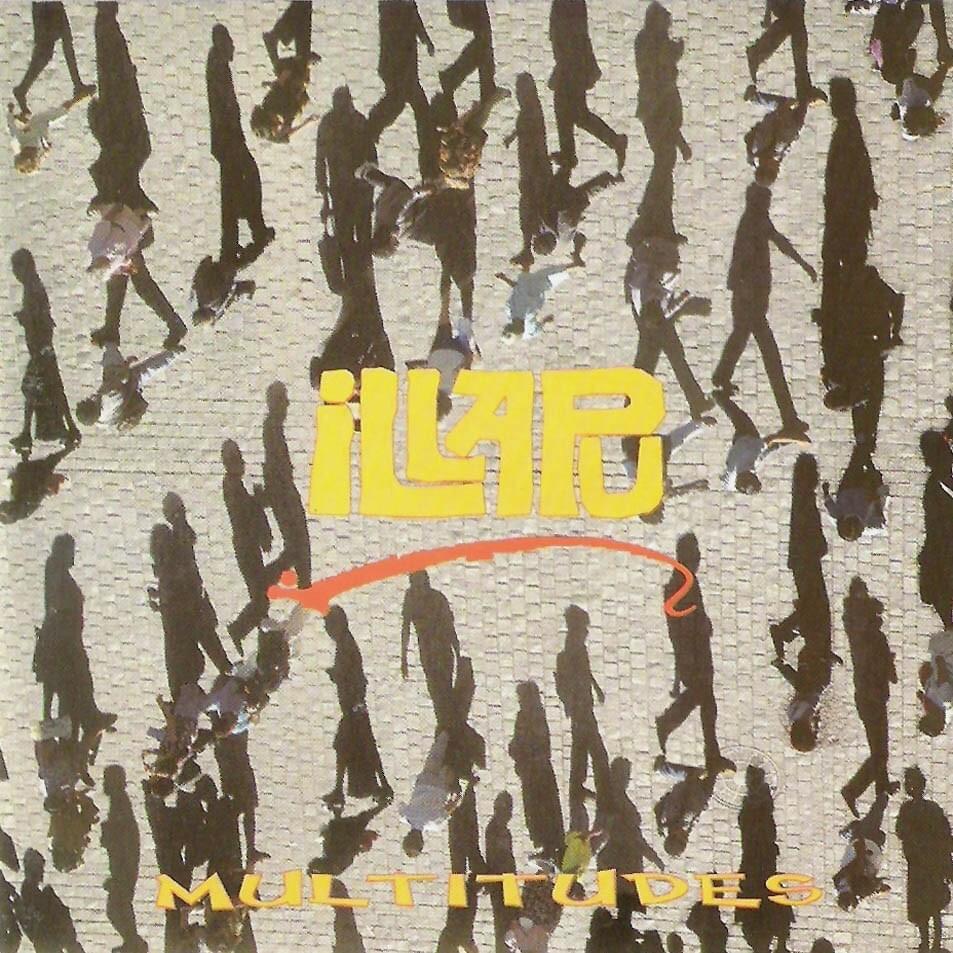
 View Artist