Song Meaning
The lyrics paint a vibrant, almost mythical picture of "esperanza" (hope) as a tangible force that infuses life and movement into the "morena" (a term often referring to dark-skinned people, here evoking a sense of earthy vitality). It enters "entre las polleras," suggesting it becomes part of the very fabric of their being, giving them a confident stride. This hope isn't just for the "morena"; it also touches the "moreno" who dreams of change, though the lyrics hint at a deceptive sweetness, describing hope as "mintiendo la primavera" – lying about spring, perhaps suggesting its promises are not always fulfilled.
The central tension lies in the dual nature of this hope. It fuels joyous, uninhibited celebration, with "los morenos en festejo candombeando," their bodies moving with fiery energy "ardían como candela." This is a powerful, almost divine expression, where "los dioses" themselves seem to dance alongside them, "bandera de los morenos." Yet, the earlier image of hope "lying about spring" casts a subtle shadow, implying that this vibrant energy might be a temporary balm or a beautiful illusion against harsher realities.
The imagery is striking, personifying hope as a lover who kisses and imbues movement. The "morenas" are described with celestial comparisons: their "pechos agitados alumbrando como estrellas," linking their physical presence to cosmic light. This elevates their dance and their spirit to something universal and eternal, even as the hope itself is presented with a touch of ambiguity. The lyrics suggest that even a potentially deceptive hope can inspire profound beauty and communal joy.
Ultimately, the effectiveness comes from this blend of the earthly and the divine, the celebratory and the subtly cautionary. The writing grounds abstract hope in the physical, sensual experience of dance and community, making its presence felt through rhythm and visual splendor. It’s a powerful evocation of resilience and spirit, where the act of dancing and celebrating becomes its own form of hope, regardless of its ultimate truth.
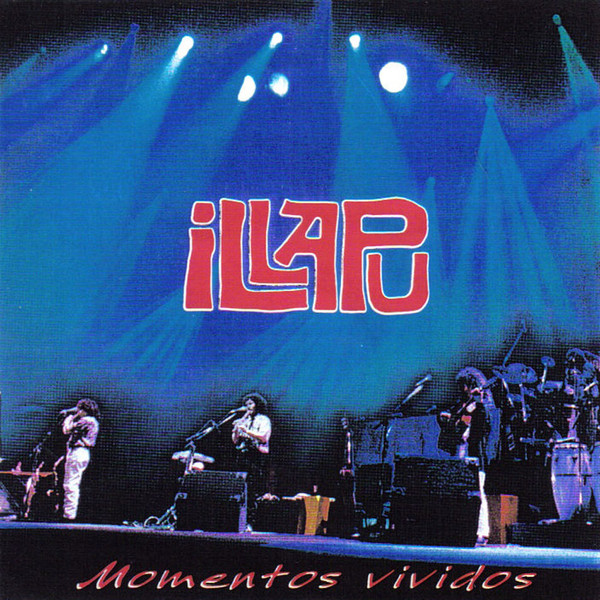
 View Artist