Song Meaning
The lyrics paint a vivid picture of a deeply missed carnival, a vibrant celebration that the narrator can no longer fully participate in. The repeated phrase "Carnavales, carnaval" acts as a powerful invocation, a longing for a past experience. The central tension lies in the inability to sing "Esa copla que al volver no pude cantar" – a specific song or sentiment that remains unsung, perhaps due to absence, change, or loss.
The narrator expresses a strong connection to their homeland, "Tierra mía volveré para florecer." This return is tied to a specific time, "Será octubre," and filled with "cantos de amores." This suggests a hope for renewal and a re-engagement with life and love, but it's framed against the backdrop of the unfulfilled carnival memory. The juxtaposition of the joyous "Carnavales" and the melancholic "no pude cantar" creates a poignant emotional core.
The imagery of "Los morenos que bailan con alegría" offers a glimpse of the vibrant energy of the carnival, a stark contrast to the narrator's present state of being unable to sing their copla. This visual detail grounds the abstract feeling of longing in a concrete, lively scene. The repetition of key phrases, like the carnival calls and the promise of return, emphasizes the enduring nature of these memories and desires.
Ultimately, the lyrics resonate because they capture a universal feeling of nostalgia for a specific, joyful past that feels just out of reach. The promise of returning to the homeland in October with songs of love offers a glimmer of hope, but it's a hope that doesn't entirely erase the ache of the missed carnival song. The writing effectively uses repetition and contrasting imagery to convey a complex emotional landscape of longing, memory, and a hopeful, yet uncertain, future.
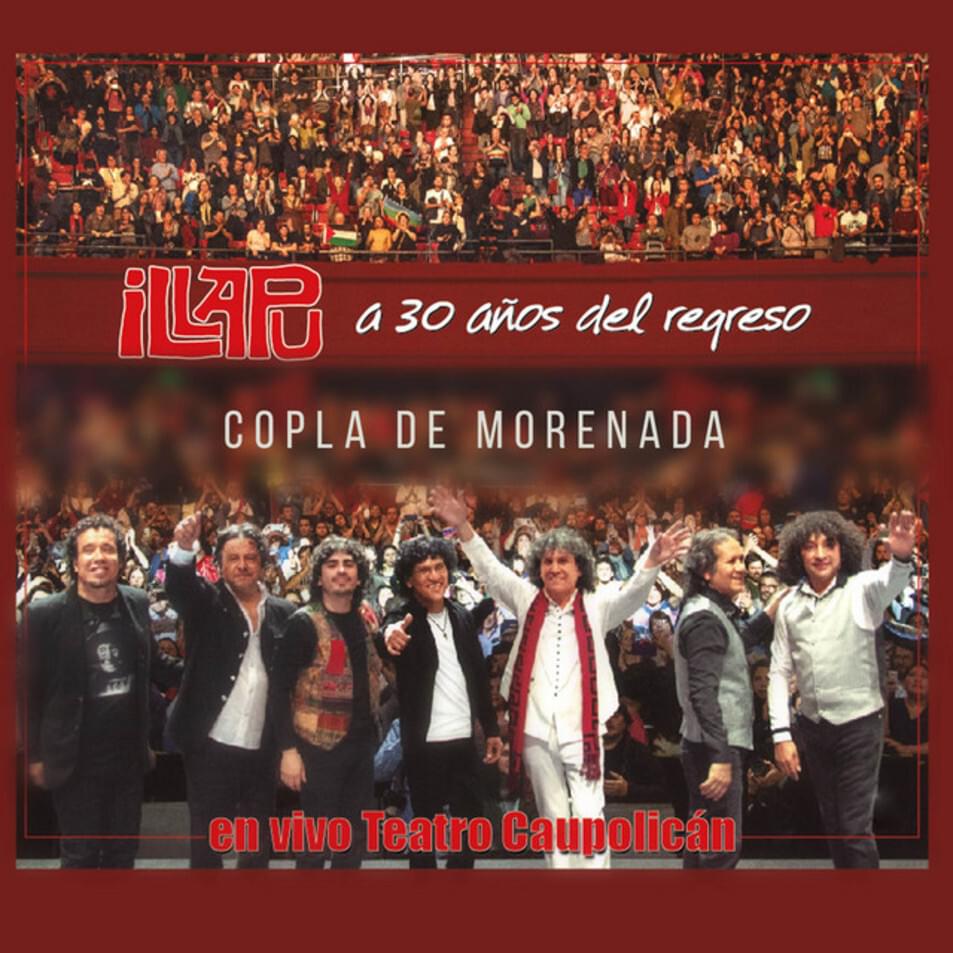
 View Artist