Song Meaning
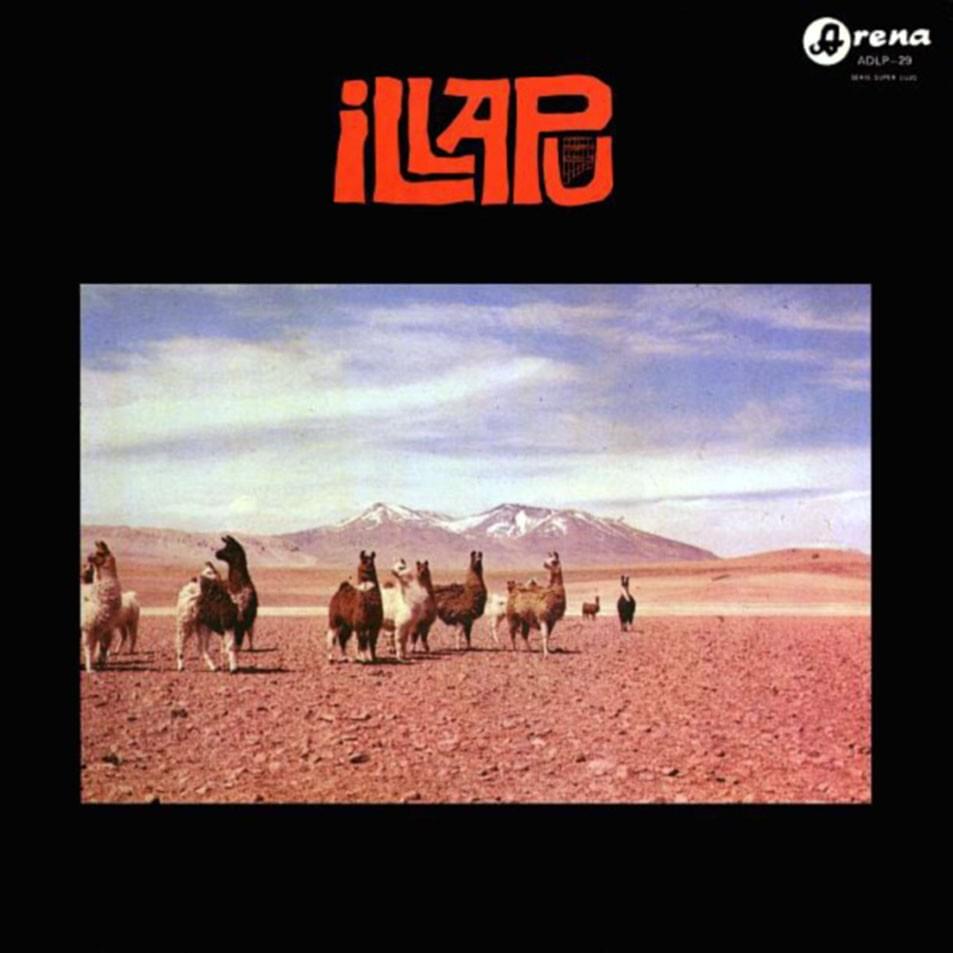
The lyrics open with a vivid scene: a young "indiecito" herding llamas into the mountains, moving "away from his home." He plays music, his heart "happy" and his notes initially "joyful to the wind." It's a pastoral image, full of youthful spirit and the vastness of the Andean landscape.
Yet, a striking emotional tension quickly emerges. While the boy's heart is "happy," the wind later carries his notes "sad to the sky." This isn't a simple story of pure joy; it suggests a deeper, perhaps ancient, melancholy woven into the very fabric of the music itself. The initial image of him moving "away from his home" subtly underpins this sentiment, hinting that even the most joyful melodies can hold a wistful echo of distance or longing.
The shift in perspective and the personification of the zampoña are particularly compelling. The lyrics move from observing the boy to describing the wind's perception of the music, then directly address the instrument itself. It's hailed as "daughter of the sun," an "Inca flower," and a "divine pan flute," elevating it beyond a mere instrument to a sacred, living entity. This reverence underscores its profound cultural and spiritual significance.
This blend of personal joy, subtle sorrow, and profound respect makes the lyrics deeply effective. The repetition of "Zampoñas cantando, zampoñas bailando" emphasizes the instrument's lively spirit, while the declaration "Me dan amor y la alegría de ser" grounds the experience in the player's intimate connection. It captures how traditional music can simultaneously express an individual's happiness and the collective, often complex, emotional history of a people.
 View Artist