Song Meaning
This song paints a stark picture of wartime sacrifice, contrasting the domestic grief of mothers and sisters with the distant, perhaps less personal, sorrow of "the other girl." The opening questions about the tent and rifle suggest a life disrupted, a home on the move or under threat, where even basic provisions might be compromised. The immediate focus on familial mourning, "my mother, my sister," grounds the emotional weight in the immediate family unit, questioning whether an outsider's grief can truly compare.
The core tension lies in the disparity between those who can afford to avoid service and those who are compelled to fight. The lyrics highlight that the path to Yemen is fraught with hardship, symbolized by the "potholed road" and the basic "copper canteen." This sets up the poignant observation that the wealthy can pay their way out, while the soldiers themselves are drawn from the ranks of the poor, underscoring a deep social inequity at the heart of the conflict.
The final section introduces a recurring motif of unfulfilled potential, with reeds growing but yielding no fruit, mirroring the lives lost in Yemen. The naming of "Mehmet" and "Memiş" as those who perish in Yemen personalizes the tragedy, transforming abstract loss into specific, relatable individuals. This repetition emphasizes the sheer number of ordinary men, likely from humble backgrounds, who are making the ultimate sacrifice far from home.
What makes these lyrics resonate is their directness and the stark contrasts they draw. By juxtaposing the intimate pain of family with the impersonal nature of war and social class, the song creates a powerful emotional charge. The simple, almost folk-like language belies a profound commentary on the human cost of conflict, particularly for the common person.
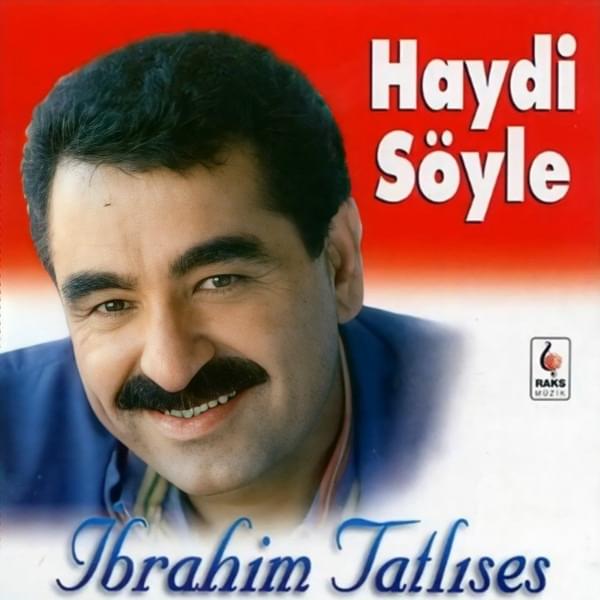
 View Artist