Song Meaning
The narrator directly confronts an absent lover, questioning their reasons for not showing up. The opening lines, a repeated plea, establish a tone of bewildered disappointment. The speaker asks why the person didn't come to the saz (a traditional stringed instrument) or the söze (words/conversation), implying a missed opportunity for connection and expression. The contrast between daytime 'profit' and nighttime absence highlights a feeling of being left in the dark, both literally and figuratively.
The core tension resides in the broken promises and the agonizing passage of time. The chorus, sung with a choir adding a sense of communal lament, emphasizes the repeated, yet unfulfilled, assurances: "Three days," "Five days." These short, specific promises have stretched into an indefinite, agonizing "months." The specific mention of "last Friday" grounds the heartbreak in a concrete, yet now distant, expectation, amplifying the sense of betrayal.
The bridge introduces a fascinating duality of lament. The narrator wonders whether to mourn the music played on the saz or the 'coquetry' and 'airs' of the absent lover. This suggests a complex emotional state where the art form itself becomes a vessel for grief, intertwined with the perceived arrogance or indifference of the beloved. The final lines, referencing a mother's embrace and a desire for the lover to be a 'winter bed' and 'summer awakening,' express a deep longing for comfort and presence, a stark contrast to the current abandonment.
This lyrical structure effectively conveys a profound sense of yearning and abandonment. The repetition of questions and the chorus builds a powerful sense of frustration and sorrow. The blend of direct address, temporal markers, and evocative imagery creates a raw, emotional plea that resonates with the pain of unfulfilled expectations and the ache of absence.
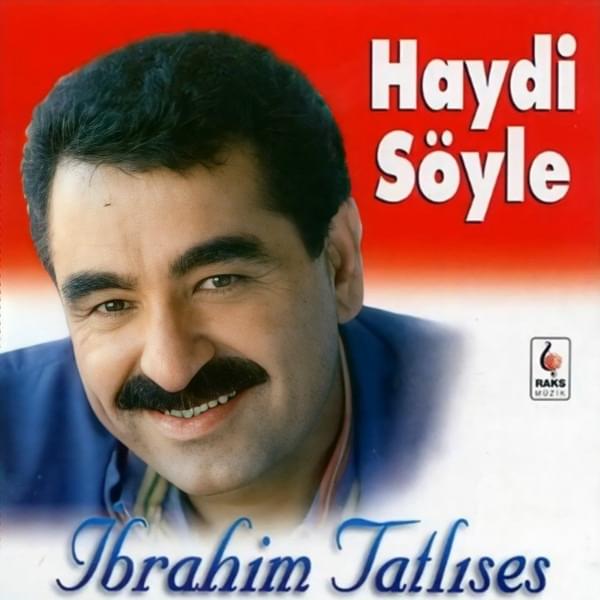
 View Artist