Song Meaning
This song paints a stark picture of regret and desperate longing. The narrator directly addresses mountains and stones, amplifying the sense of isolation and the immense weight of their plea. The core message is a plea for forgiveness, emphasizing that life feels incomplete and joyless without the beloved's presence. The repetition of "Olanları unut, affet, sevgilim" underscores the depth of this desire for reconciliation.
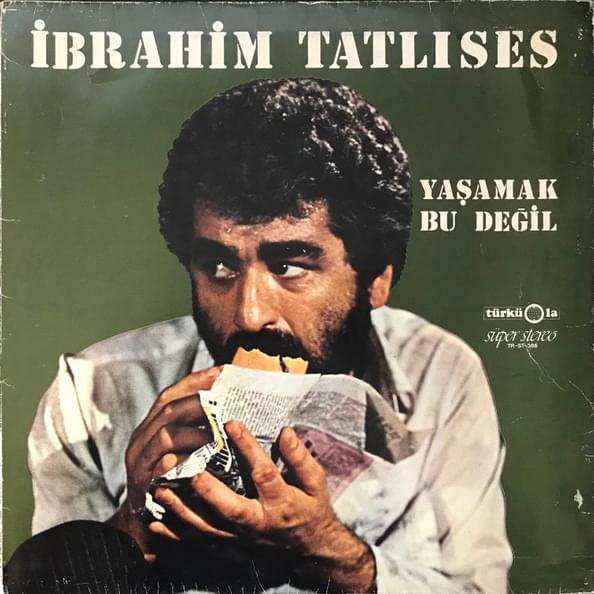
The central tension lies in the narrator's admission of fault and their belief that human error is forgivable, especially by a higher power. They acknowledge that "Gözler yol gösterir, gönül hükmeder" (Eyes show the way, the heart rules), suggesting that emotions and desires, perhaps leading to mistakes, are fundamental to being human. This is contrasted with the profound suffering they experience, stating "Yaşamak bu değil, yaşamıyorum" (This is not living, I am not living), highlighting the unbearable pain of separation.
The most striking aspect of the lyricism is the raw vulnerability and the direct, almost primal, appeal for forgiveness. The narrator doesn't shy away from their perceived wrongdoing, instead choosing to "Önünde diz çöküp yalvarıyorum" (I am kneeling before you, begging). This act of supplication, coupled with the invocation of divine forgiveness ("Tanrı kullarını zaten affeder"), frames their plea as both deeply personal and universally understood within a framework of human fallibility.
Ultimately, the effectiveness of these lyrics stems from their unvarnished emotional honesty. The narrator's willingness to admit fault and their profound sense of loss create a powerful sense of empathy. The repeated phrases and the direct address make the plea feel urgent and deeply felt, resonating with anyone who has experienced the pain of separation and the desire for a second chance.
 View Artist