Song Meaning
The lyrics paint a stark picture of life's relentless march, framing human existence within a world that feels both grand and cruel. The opening questions, "Nedir ki geçmeyen dünya içinde?" (What is there that doesn't pass in this world?), immediately set a tone of transience, suggesting that even our deepest hopes and loves are fleeting. This initial contemplation quickly pivots to the idea of growth through hardship, as the narrator notes that one might "Yıkıla yıkıla büyüse insan" (If a person grows by falling apart), eventually standing tall with pride. This contrast between destruction and resilience forms a core tension.
The central conflict arises from the feeling of being caught in the grip of a "zalim dünya" (cruel world) and its "devran seline" (torrential flow). The repetition of this phrase emphasizes a sense of powerlessness against overwhelming forces. This feeling is ultimately framed by the inevitability of death, presented as the ultimate equalizer. The lyrics state, "Bir gün gideceğiz mutlak ölüme" (One day we will surely go to death), and it is this finality that "siler de geçer" (erases and passes), suggesting that death is the only constant that truly resolves life's struggles.
The most striking craft element is the pervasive, almost hypnotic repetition of "Hepsi geçer" (Everything passes) and its variations. This refrain acts as both a lament and a stoic acceptance. The line "Her bağrı ikiye böler de geçer" (It splits every chest in two and passes) is particularly potent, implying that this passing isn't gentle; it's a forceful, painful separation. The lyrics also highlight the physical and emotional toll of time, noting how "Gülen gözler ağlar, saç beyazlanır" (Smiling eyes cry, hair turns white), and how in such moments, "Teselli verecek dostlar aranır" (Friends to console are sought). Yet, even these sought-after comforts are transient, as the past "Uzansam tutulmaz, güler de geçer" (If I reach, it can't be held, it laughs and passes).
Ultimately, the effectiveness of these lyrics lies in their unflinching gaze at mortality and the transient nature of all things, good and bad. The cyclical structure, with its repeated refrains about passing and the cruel world, creates a feeling of being trapped in a relentless current. However, the acknowledgment of growth through suffering and the eventual, albeit stark, resolution in death offers a form of grim comfort. It's this blend of vulnerability and stoicism, the acknowledgment of pain alongside the inevitability of its passing, that resonates.
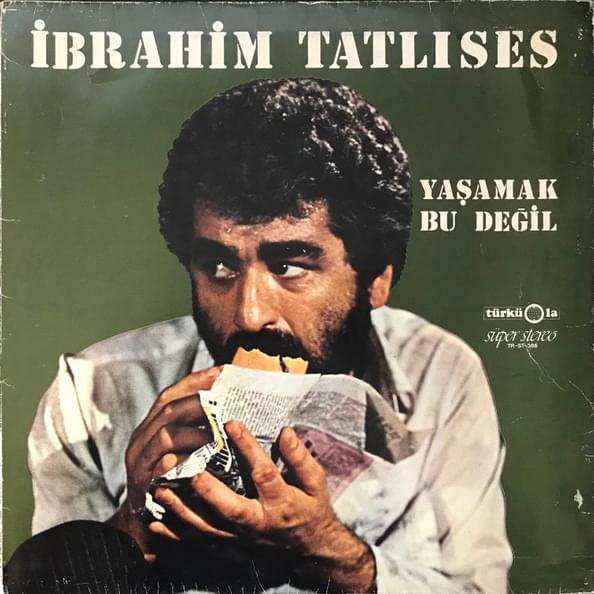
 View Artist