Song Meaning
This track is a defiant declaration of independence, a firm refusal to be drawn back into the familiar, mundane routines that once defined the narrator's life. The repeated phrase "stupide cose di sempre" (stupid things of always) acts as a dismissive label for a past existence, one the narrator is actively shedding. The opening lines, "No, tu non mi rimetterai" (No, you won't put me back) and "No, io non mi consolerò" (No, I won't console myself), immediately establish a tone of resolute rejection.
The central tension lies in the narrator's determination to move forward, even in the face of potential emotional fallout. The lyrics acknowledge the possibility of being seen crying, but immediately pivot to a claim of feigned emotion: "Sarà perché / So fingere" (It will be because / I know how to pretend). This suggests a conscious effort to project strength and control, even if internal struggles persist.
The most striking aspect of the craft is the stark contrast between the negative pronouncements and the list of positive actions that follow. The narrator insists they won't return to the "stupid things of always," but immediately counters with a vision of a liberated future: "Poi canterò / Brinderò / Uscirò" (Then I will sing / I will toast / I will go out). This juxtaposition highlights the active choice being made to embrace a new, more vibrant life, free from the constraints of the past.
Ultimately, the effectiveness of these lyrics stems from their directness and the palpable sense of liberation they convey. The repeated, emphatic "No" at the beginning of key phrases, coupled with the forward-looking actions, creates a powerful anthem of self-empowerment. It’s a raw, unvarnished promise to oneself to break free, no matter the cost.
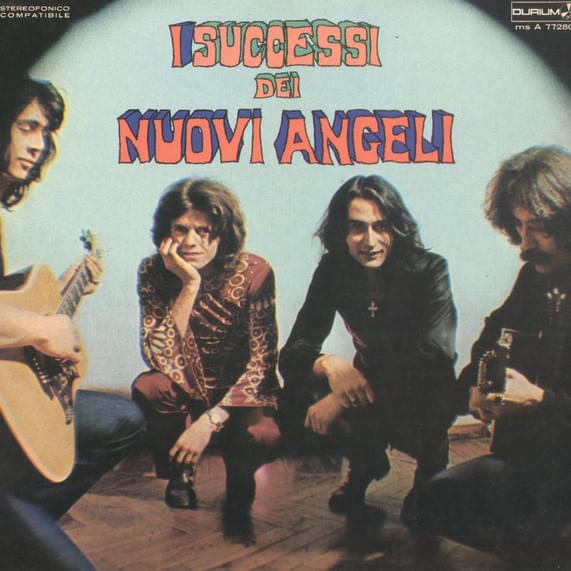
 View Artist