Song Meaning
This song paints a picture of urgent, present-moment desire. The narrator is calling out to his "mistress," urging her to stop her wandering and come to him. He emphasizes his own ability to please and the immediate nature of his affection, suggesting that true love is found in the here and now, not in future promises. The tone is one of playful but insistent wooing, focused entirely on seizing the current opportunity for joy and connection.
The central tension lies in the contrast between the "roaming" mistress and the narrator's plea for her to "stay." He frames his arrival as a certainty, a "lover's meeting" that "ev'ry wise man's son doth know." This implies a natural, almost inevitable outcome that she is currently delaying, despite the narrator's insistence that "journeys end in lovers' meeting." The lyrics suggest a playful chase, but with an underlying urgency to resolve the delay.
The most striking element is the philosophical turn in the third stanza, which grounds the entire plea. "What is love? 'Tis not hereafter; Present mirth hath present laughter; What's to come is still unsure." This isn't just a romantic appeal; it's a declaration that life's value is in its immediate pleasures. The narrator uses this philosophy to justify his demand for present affection, arguing that delaying it is foolish because "youth's a stuff will not endure."
This insistence on the present moment is what makes the lyrics so effective. The narrator isn't just asking for a kiss; he's presenting a worldview where immediate joy is the only certainty. The quick, almost epigrammatic lines about "present mirth" and "present laughter" create a sense of undeniable logic, making his final plea to "kiss me, sweet and twenty" feel both passionate and profoundly sensible within the song's own framework.
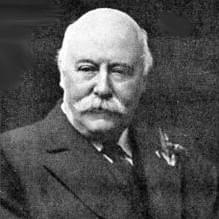
 View Artist