Song Meaning
This is a stark, almost ritualistic lament. The opening lines paint a somber picture, calling for a funeral garland of yew and willow branches. The narrator is dictating their own posthumous narrative, demanding that maidens bear witness to their death, specifically stating, "Say I died true." This isn't a plea for comfort, but a command for a specific, unvarnished truth to be recorded.
The central tension lies in the narrator's self-assessment versus the perceived betrayal of their love. They declare, "My love was false, but I was firm." This contrast suggests a life lived with unwavering devotion, even if that devotion was met with infidelity. The narrator seems to find solace or justification in their own steadfastness, regardless of their lover's actions.
The most striking craft element is the narrator's direct address and control over their own funeral rites. They are not passively accepting their fate but actively shaping their legacy. The final lines, "Upon my buried body lie / Lightly, gentle earth," are a poignant request for peace, a final surrender after a life defined by a painful, unreciprocated firmness.
These lyrics resonate through their unflinching self-definition and the stark imagery of death as a final arbiter of truth. The narrator's insistence on dying "true," despite a false love, creates a powerful, almost defiant, sense of integrity in the face of personal heartbreak.
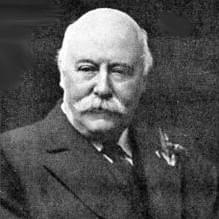
 View Artist