Song Meaning
The speaker's final words are a plea for their beloved not to grieve, even as the reality of death and decay is starkly presented. The immediate image is of a "surly sullen bell" tolling, a sound that signals departure from a "vile world." This isn't a gentle fading away, but a forceful exit into a grim fate, "with vilest worms to dwell." The narrator's primary concern isn't their own suffering, but the potential pain their memory might inflict on the one they love.
The central tension lies in the speaker's profound love, which paradoxically demands complete erasure from the beloved's memory. They explicitly state, "I love you so / That I in your sweet thoughts would be forgot." This is a radical act of self-negation, driven by a desire to shield the beloved from sorrow. The speaker wishes their very name to be unsaid, their love to "even with my life decay," a wish that seems almost impossible to fulfill given the act of writing these very words.
The most striking craft element is the speaker's self-aware manipulation of their own legacy. By writing this verse, they are actively creating a reason for remembrance, yet simultaneously begging for oblivion. The fear of the "wise world" mocking the beloved's "moan" after their death adds a layer of social anxiety to this intensely personal request. It suggests that even in death, the speaker is concerned with appearances and the judgment of others, projecting this concern onto their beloved's potential grief.
Ultimately, these lyrics resonate because they capture a complex, almost agonizing form of love. The speaker's desire for their beloved's happiness outweighs their own wish to be remembered, creating a poignant paradox. The effectiveness comes from the stark, unflinching language used to describe death juxtaposed with the tender, albeit severe, plea for forgetting, forcing the reader to confront the depth of a love that seeks to disappear entirely.
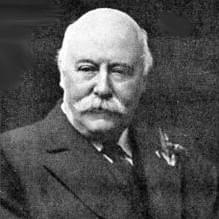
 View Artist