Song Meaning
The lyrics paint a poignant picture of lost innocence and yearning for a past that felt boundless and full of wonder. The opening stanza establishes a nostalgic tone, recalling a time when life was a "poem" because the speaker and their "child love" were young and unaware of the world's limitations. This youthful perspective is directly contrasted with the present, where life has become "small" and filled with "care and toil."
The central tension arises from this stark contrast between past and present. The narrator feels a profound sense of loss, not just of a person but of a state of being. The "elves from the wood" and "dreams from my heart" are gone, and even "heaven is bare" because "God is far away," suggesting a spiritual and emotional emptiness that mirrors the world's perceived shrinkage. This isn't just about aging; it's about a fundamental shift in perception and experience.
The most striking aspect is the plea to the "child love" to return and offer solace. The narrator asks to look upon them with "innocent eyes" again, a desire to reclaim that unburdened perspective. The speaker even contemplates wooing an "angel" from the skies, highlighting the desperation to recapture a sense of the miraculous that has seemingly vanished. The final stanza is a direct, almost childlike, plea for this return, hoping that the "small hands tenderly" can bring back the "whole world."
This lyrical construction is effective because it grounds abstract feelings of loss and disillusionment in concrete imagery and a direct address. The repetition of "O my child love" and the plea to "Come back come back to me" create a powerful emotional pull. The contrast between the "boundless" past and the "small" present, coupled with the imagery of lost dreams and a distant God, resonates deeply, capturing the ache of looking backward to a time when life felt more magical and less burdened.
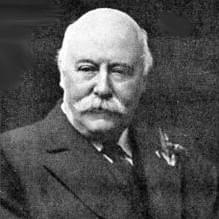
 View Artist