Song Meaning
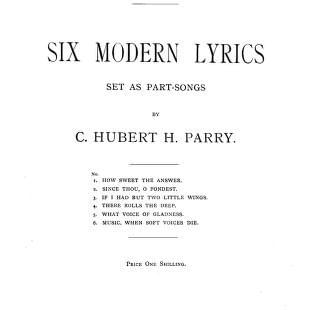
The lyrics paint a picture of longing and confinement. The narrator wishes for the freedom of a bird, imagining flight as a way to reach a loved one. This immediate desire for escape is quickly met with the harsh reality of their current situation, where "thoughts like these are idle things." The contrast between the imagined freedom and the grounded reality sets a tone of poignant resignation.
The central tension lies between the desire for connection and the experience of isolation. The narrator finds solace only in sleep, where they can "fly" and be "with you." This dream state offers a temporary union, a world "all one's own." However, the waking world shatters this illusion, leaving the narrator "all, all alone," emphasizing the profound loneliness that permeates their waking hours.
The most striking element is the manipulation of time and consciousness. The narrator actively seeks to prolong the dream state, even "ere break of day," by deliberately keeping their eyes closed. This is a conscious effort to hold onto the fleeting connection found in sleep, suggesting that the dream world, though ephemeral, is more desirable than the solitary reality. The act of "still dreams on" becomes a form of defiance against the inevitable return to loneliness.
These lyrics resonate because they capture the universal ache of separation and the power of dreams to offer temporary refuge. The simple, direct language and the clear contrast between the vivid dream and the stark reality make the narrator's isolation palpable. It's this potent, almost childlike expression of longing that makes the poem so effective, highlighting how even the smallest moments of imagined connection can feel like everything.
 View Artist