Song Meaning
The lyrics paint a picture of a powerful, almost cosmic connection between two people, framing their shared existence as a dominion over time and space. They claim to "convertimos el mundo en nuestro" and be "dueños del aire," suggesting a shared reality built on mutual understanding and ambition. This initial declaration of absolute control and unity sets a high bar for their bond, portraying it as an "amor eterno" that "nadie apagara."
However, this grand vision is immediately threatened by the possibility of separation, creating a stark emotional contrast. The narrator’s plea, "Si te vas," introduces a desperate vulnerability that shatters the earlier confidence. The fear of being lost "solo como un niño" and the profound regret, "Nunca me lo Perdonare," reveal that this perceived cosmic union is actually deeply dependent on the other person's presence. The narrator's identity seems to dissolve without their partner.
The most striking craft element is the juxtaposition of the expansive, god-like declarations with the intensely personal and fearful conditional statements. The initial verses speak of universal ownership, but the chorus hinges on the catastrophic consequence of a single departure. This dramatic shift from omnipotence to utter helplessness underscores the precariousness of their shared world, suggesting that their "eternal love" is actually fragile and conditional upon constant affirmation and presence.
This tension makes the lyrics hit so hard because they articulate a common human experience: the fear that our most profound connections, which feel like entire universes, could unravel with a single choice. The writing moves from a confident assertion of control to a raw, almost childlike plea for reassurance, capturing the devastating impact of potential loss on one's sense of self and reality.
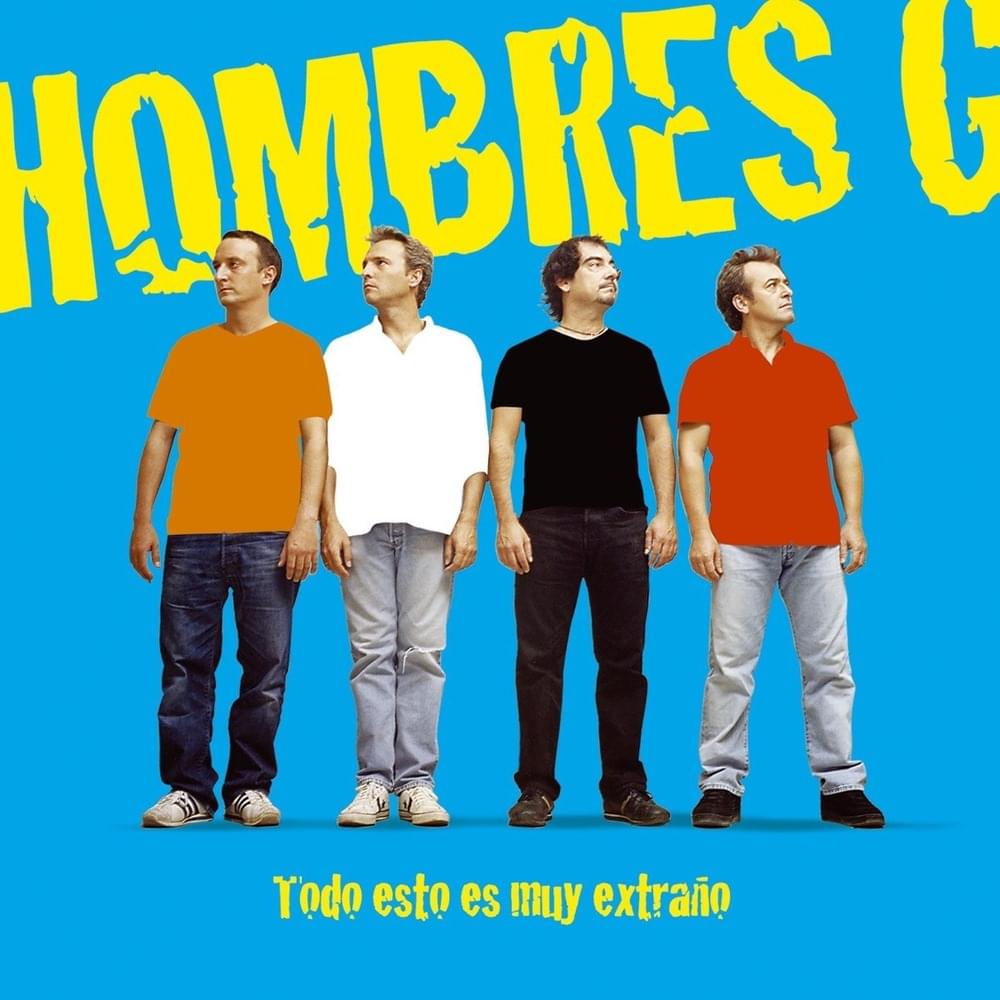
 View Artist