Song Meaning
The narrator declares a radical detachment from material possessions, stating, "Yo ya no necesito nada / Que tengan en el 'Corte Inglés'." This isn't just about consumerism; it's a profound shedding of external validation. The imagery of being unable to "levantar mi espada" suggests a loss of power or agency, yet this is immediately countered by a newfound freedom: "Sin nada que perder." This paradox sets the stage for the song's core emotional arc.
The central tension lies between this state of having nothing to lose and the urgent desire for change. While the narrator acknowledges not knowing "cómo hacer / Para cambiarlo todo," the refrain "Pero no perdamos ni un momento / Hoy ya es tiempo de cambiar" signals a shift. The fear of falling again, "Y sin volver a caer," is palpable, but the realization that "No puedo hacerlo solo" introduces a crucial element of seeking support or connection.
The most striking aspect is the repeated mantra, "Sin nada que perder," which transforms from a statement of resignation into a catalyst for action. The narrator wants to see proof, "Mírame, quiero ver / Que voy andando y no / Se hunden mis pies." This visual of walking without sinking underscores the fragile hope that this state of having nothing to lose might actually enable forward movement, rather than collapse. It’s a desperate plea for tangible evidence of progress.
Ultimately, the lyrics resonate because they capture a specific, vulnerable moment of existential reckoning. The raw admission of not knowing how to change, coupled with the fierce, almost defiant embrace of having nothing left to safeguard, creates a powerful emotional landscape. The song’s effectiveness stems from this honest portrayal of being at rock bottom, yet finding a flicker of resolve in the very emptiness that defines the present.
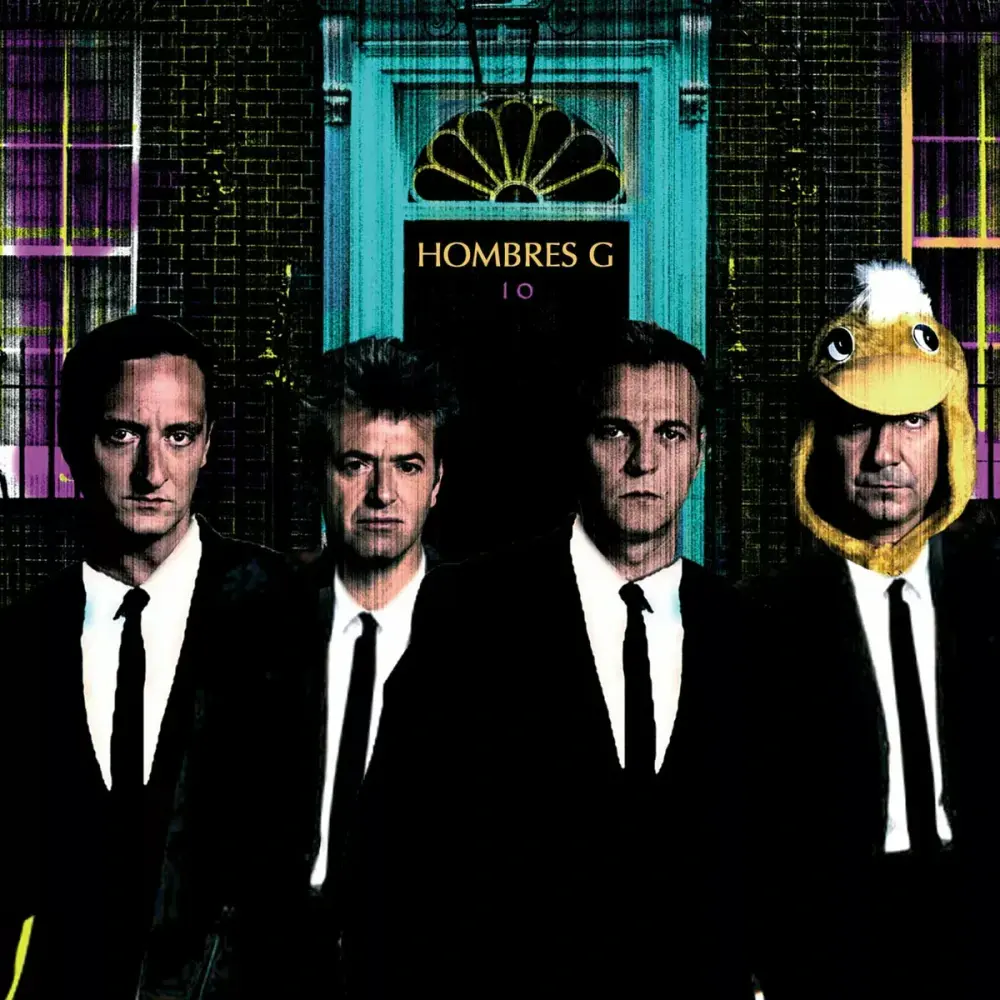
 View Artist