Song Meaning
The lyrics paint a picture of profound existential uncertainty, framed by a fixation on a specific person. The narrator grapples with the fear of a meaningless existence, questioning if they'll "drift eternally" or simply "pretend I'm alive." This dread is amplified by the repeated assertion that "time will tell," a phrase that hangs heavy with the weight of unresolved futures. The dominant emotional tone is one of anxious anticipation and a desperate need for validation, all filtered through the lens of a singular, consuming relationship.
The central tension lies in the narrator's precarious sense of self, which seems inextricably linked to another person. Phrases like "You are the one" and "You're on my mind" suggest this individual is the anchor or the ultimate arbiter of the narrator's fate. Yet, there's a contradictory undercurrent: the narrator also seems to grant this person freedom, saying "Do what you want," while simultaneously warning, "But you will find." This implies a belief that the other person's actions, or perhaps their eventual understanding, will reveal the truth of the narrator's situation or worth.
The most striking lyrical device is the relentless repetition of "Time will tell." This phrase acts as a refrain, underscoring the narrator's passive stance and their inability to control their destiny or the outcome of their relationships. It’s a mantra of helplessness, but also a plea for revelation. The stark declaration, "I'd rather be dead than just pretend I'm alive," elevates the stakes, suggesting that the truth, whatever it may be, is preferable to a hollow existence. The final, drawn-out repetition of "Just a matter of time" hammers home this sense of inevitable, yet unknown, resolution.
Ultimately, these lyrics resonate because they tap into a universal anxiety about the future and the search for meaning, particularly within the context of significant relationships. The writing crafts a palpable sense of unease through its simple, direct language and insistent repetition. The narrator’s vulnerability is laid bare, making their desperate hope for clarity, tied to another person's actions or perceptions, feel intensely poignant and relatable.
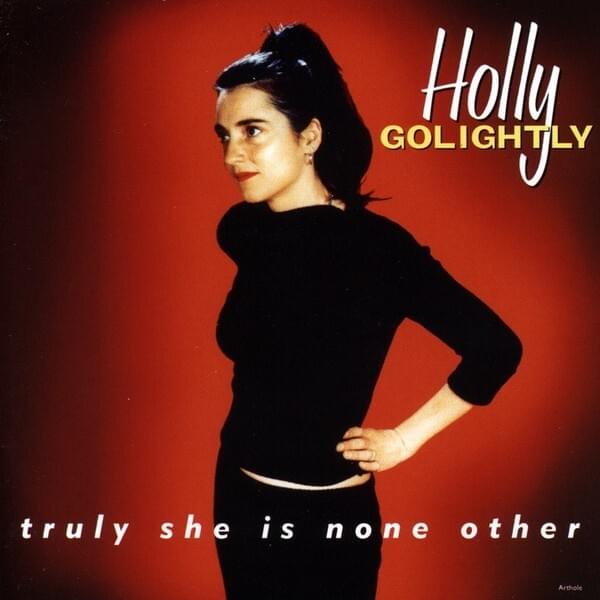
 View Artist