Song Meaning
The narrator is wrestling with a profound sense of personal responsibility for a relationship's demise, even as they push the other person away. The opening lines, a stark declaration of self-blame, immediately set a somber, introspective tone. This isn't a simple apology; it's a complex admission of internal conflict, suggesting a deep-seated issue that the narrator believes is entirely their own doing. The feeling of being "to blame" is so pervasive it's repeated, emphasizing the weight of this perceived fault.
The central tension lies in the narrator's contradictory actions and feelings. They insist the other person "can't stay," yet simultaneously express a desire for the other person to "see" the truth of the situation. This creates a push-and-pull dynamic, where the narrator's self-destructive impulses clash with a faint hope of understanding. The repeated phrase "you don't see" highlights the narrator's frustration, as if the other person's obliviousness is part of the problem, yet the narrator still claims "it's all me."
The most striking aspect of the lyrics is the narrator's admission that they "feel better when we're apart." This confession, buried deep "in my heart," reveals a painful truth: the narrator's own internal state is improved by separation, even while they take the blame for the relationship's failure. This suggests a self-sabotaging pattern, where the narrator's own comfort is prioritized, leading to the conclusion that the entire mess is a result of their own complex psychology.
Ultimately, the effectiveness of these lyrics stems from their raw, unflinching self-examination. The relentless repetition of "it's all me" and "I'm to blame" hammers home the narrator's internal struggle, while the subtle contradiction of wanting the other person to see yet pushing them away creates a compelling portrait of self-inflicted emotional pain. It’s a stark, almost brutal, honesty about personal flaws and the difficult, often isolating, process of confronting them.
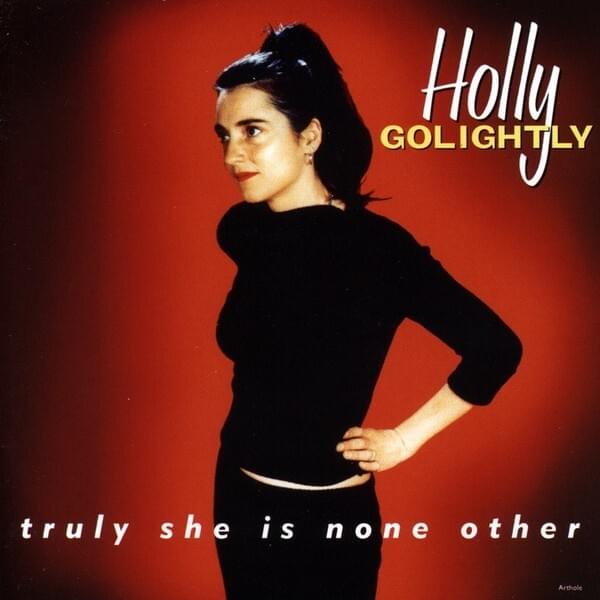
 View Artist