Song Meaning
The lyrics open with a stark contrast between an "Inmaculado silencio de Dios" and a "desquiciado silencio interior," immediately signaling a profound internal struggle. The speaker appears to be searching for themselves in the past, yet simultaneously declares a fierce independence. This sets a tone of defiant self-discovery.
A core tension emerges from the speaker's awareness of external expectations ("Yo sé lo que quieren de mí") and an unyielding personal conviction. This isn't a gentle parting; the speaker aggressively rejects past beliefs and even a divine presence, stating, "escupo tu fe." This confrontation suggests a radical break from any imposed reality or faith.
The repeated refrain, "Ruptura interior / Me alejo ahora sin dolor," is particularly striking. The word "ruptura" itself implies a violent, sudden break, yet the speaker insists on a detachment "sin dolor." This juxtaposition suggests not a painful loss, but a deliberate, almost surgical severing of ties, where the past self and its associated world are left behind with a chilling lack of regret. The declaration "Ya no importa nada ha sido así" reinforces this finality.
What makes these lyrics resonate is their unflinching portrayal of radical self-assertion. The speaker doesn't seek "acuerdos" or "paz," but rather embraces an identity "En contra así nací," suggesting an inherent, almost fated opposition to external norms. This defiant stance, coupled with the declared victory ("Auguro que vencí"), crafts a powerful narrative of liberation achieved through absolute rejection, leaving the listener with a sense of profound, if unsettling, independence.
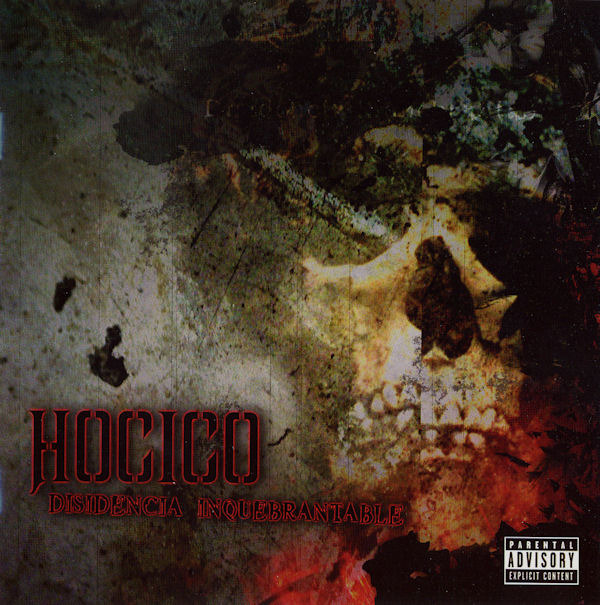
 View Artist