Song Meaning
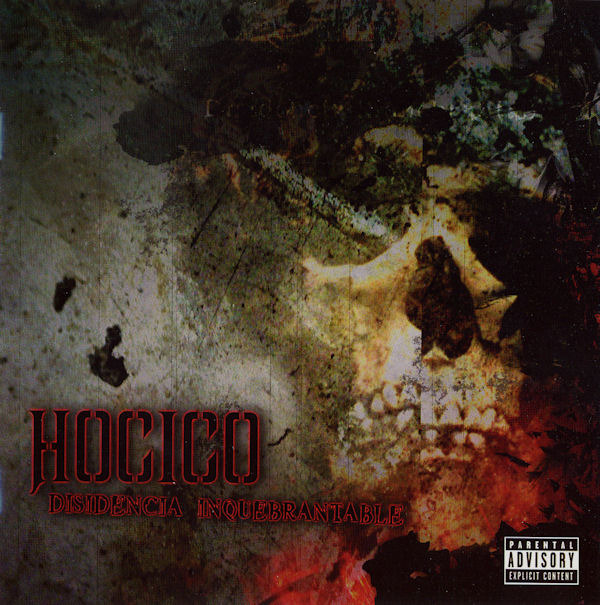
These lyrics paint a visceral picture of suppressed rage against a backdrop of systemic injustice and apathy. The opening lines immediately establish a sense of internal struggle, with "gritos reprimidos" (repressed screams) trapped within "pulmones de una vil realidad" (lungs of a vile reality). This sets a tone of suffocating oppression, where the desire to speak out is physically constrained by a harsh, uncaring world. The narrator directly condemns those who witness suffering without acting, calling them "testigo que no va a pelear" (witness who won't fight), highlighting the moral failing of inaction in the face of "víctimas cayendo desde la impunidad" (victims falling from impunity).
The central tension revolves around the agonizing question of whether to suppress or unleash the pent-up frustration and the urge to resist. The repeated refrain, "Maldición ¿debo reprimir?" (Damn it, should I repress?), underscores this internal conflict. It's a battle between self-preservation and the burning need for expression and action. This indecision is amplified by the imagery of "pieles desgarradas se arrastran por un pan" (torn skins dragging themselves for a piece of bread), a stark depiction of desperation and exploitation that fuels the narrator's fury and the desire to fight back against "la obscenidad" (obscenity) of the situation.
The lyrics build towards a powerful call for retribution and insurrection. The phrase "Lucha en las entrañas seduciendo al poder" (Fight in the guts seducing power) suggests an internal, primal force pushing against oppressive structures. This is met with the stark, Old Testament-esque declaration, "Ojo por ojo, diente por diente" (Eye for an eye, tooth for a tooth), followed by the chilling resolve that "a sangre fría muera el que miente" (let the liar die in cold blood). This signifies a shift from internal struggle to a demand for justice, however brutal, against deceit and corruption.
What makes these lyrics so potent is their raw, unflinching portrayal of rage and the moral quandary it presents. The direct address and the visceral imagery of physical suffering and internal conflict create an immediate sense of urgency and shared struggle. The narrator carries "la saña en mis manos" (the rage in my hands) and "el horror en mi frente" (the horror on my forehead), suggesting that this anger is not just an emotion but a physical manifestation, an indelible mark of the oppressive reality they inhabit and the fight they feel compelled to wage.
 View Artist