Song Meaning
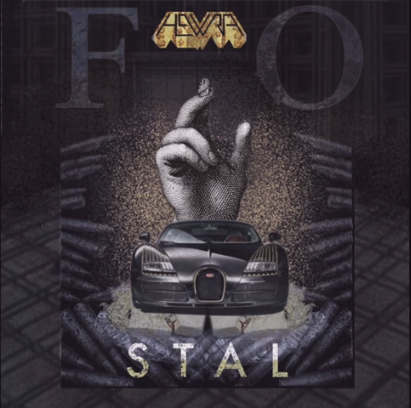
The lyrics paint a picture of a hustle, a relentless pursuit of wealth and status, where the primary goal is to succeed without consequence. The repeated refrain, "Dźwignąć dinary – nie spotkać ofiary" (Lift the dinars – don't meet the victim) and "Zarobić dukaty – nie trafić za kraty" (Earn ducats – don't end up behind bars), establishes this core tension. It's about accumulating riches and enjoying the spoils – "wydawać od czapy" (spending like crazy) – while evading any form of retribution or downfall. The contrast between "Beton i stal" (concrete and steel) and "Veyron Bugatti" suggests a choice between a gritty, perhaps illicit, foundation and the ultimate symbols of luxury and success.
The verse delves deeper into the moral ambiguity of this pursuit. The question "Nieczysty szmal czy żal do Boga?" (Unclean money or regret to God?) highlights the internal conflict or the external perception of this lifestyle. It juxtaposes the narrator's ambition with the potential cost, contrasting their own drive with others who are less successful or perhaps more fearful: "Ma mafia zarabia, twa banda się sra" (The mafia earns, your gang shits themselves). This implies a hierarchy of risk-takers and a disdain for those who are paralyzed by fear or moral qualms.
The writing effectively uses stark contrasts and blunt declarations to convey its message. The choice between "Groby/dobrobyt? Nie masz/ja mam" (Graves/well-being? You don't have/I have) is a brutal assessment of outcomes, framing success as a zero-sum game. The phrase "Lepszy wąs niż Sosa" (A mustache is better than Sosa) is a cryptic but potent assertion of superiority or a specific coded reference within the subculture, emphasizing a unique path to recognition or power. The relentless pace implied by "se gonię, gnam" (I chase, I rush) underscores the urgency and constant motion required to maintain this position.
Ultimately, the effectiveness of these lyrics lies in their unflinching portrayal of ambition untethered by conventional morality. They capture a raw, almost primal drive for material gain and freedom from consequence, presented with a directness that is both confrontational and compelling. The language is sharp, the imagery is stark, and the underlying message is clear: success, however it's achieved, is the only metric that matters in this world.
 View Artist