Song Meaning
Helene Fischer's rendition of "Maria durch ein Dornwald ging" isn't just a Christmas carol; it's a stark meditation on faith, resilience, and miraculous transformation. The lyrics, simple yet evocative, paint a picture of Mary traversing a barren thornwood, a landscape that hasn't seen life in seven years. This 'Dornwald' becomes a powerful metaphor for hardship, a period of prolonged suffering and seeming hopelessness. The repeated plea, 'Kyrie eleison' ('Lord, have mercy'), underscores a deep yearning for divine intervention amidst this desolation. The query about what Mary carries under her heart – 'Ein kleines Kindlein ohne Schmerzen' ('a small child without pain') – highlights the promise of new life, a beacon of hope in the face of adversity.
The emotional core of the song lies in the miraculous transformation of the thorns into roses. 'Da haben die Dornen Rosen getragen' ('Then the thorns bore roses') isn't merely a pretty image; it's a symbol of redemption and the power of faith to transmute suffering into beauty. The barren landscape, representing the emotional and spiritual struggles, bursts into life with the presence of the Christ child. This transformation speaks to the psychological impact of hope – how belief in something greater can reshape our perception of reality and allow us to find beauty even in the most difficult circumstances.
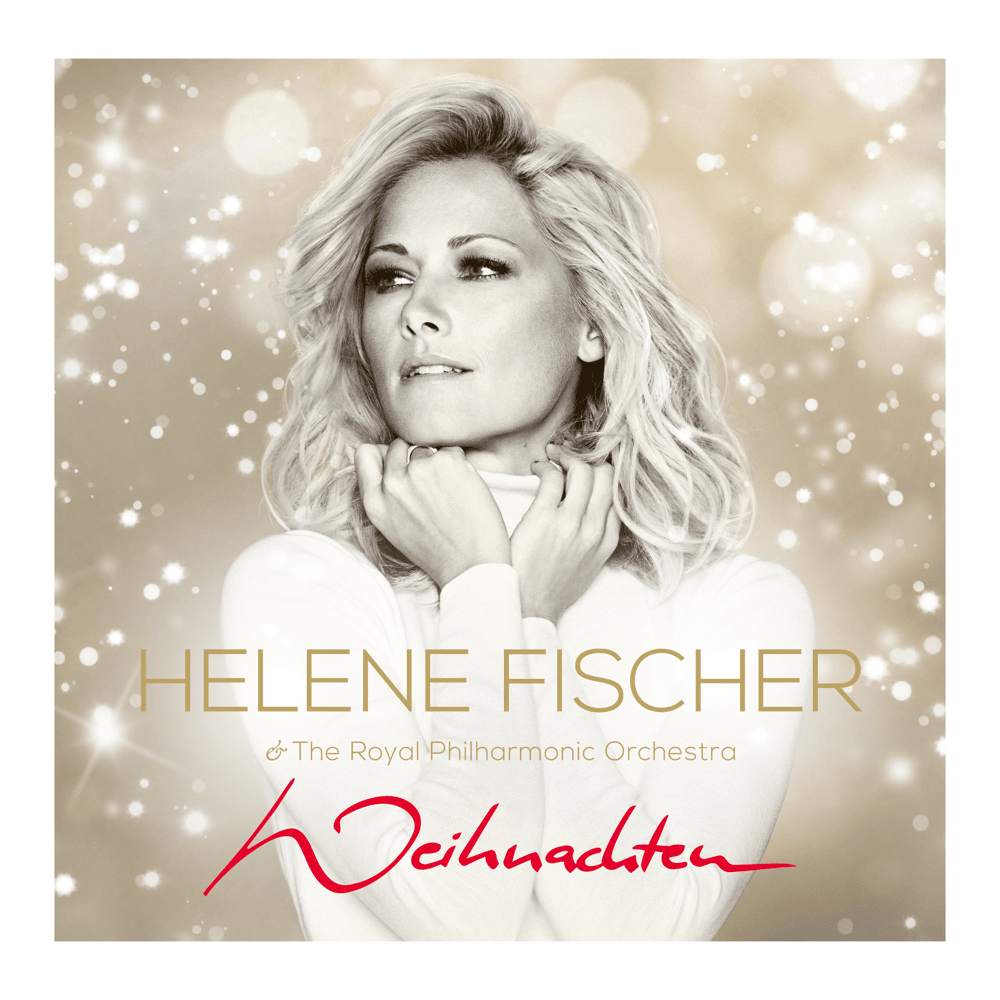
Ultimately, "Maria durch ein Dornwald ging" transcends its religious origins to become a universal allegory for the human condition. It speaks to our capacity to endure hardship, to find strength in faith, and to witness the blossoming of hope even in the most desolate of landscapes. Fischer's interpretation, imbued with her characteristic vocal power and emotional depth, amplifies this message, reminding us that even in the darkest of times, the possibility of transformation and renewal remains ever-present.
 View Artist