Song Meaning
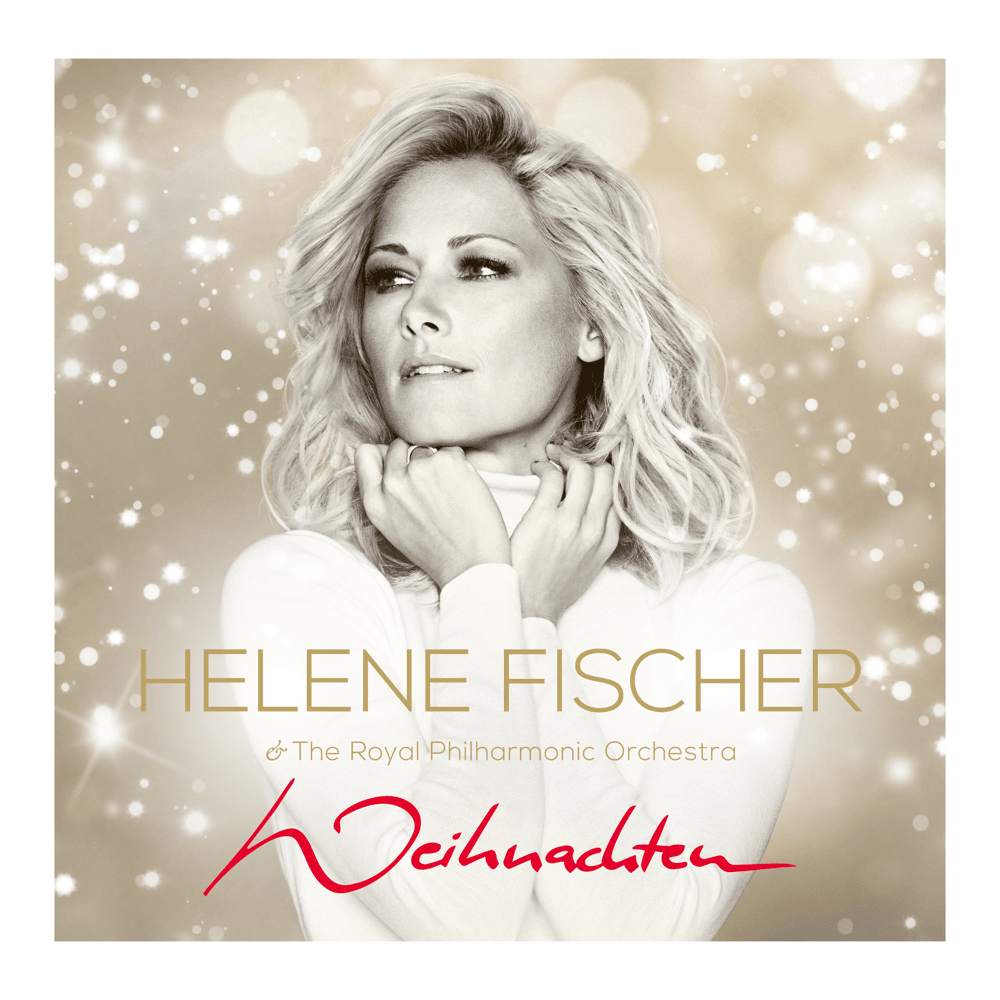
Helene Fischer's rendition of "Lasst uns froh und munter sein" transcends mere Christmas carol status, tapping into the deep wellspring of childhood anticipation and the comforting ritual of tradition. The song, at its core, is a celebration of St. Nicholas Day, a cultural touchstone in many German-speaking regions. But beyond the specific holiday, the lyrics resonate with a universal yearning for innocent joy, the kind that bubbles up when a child anticipates a treat or a special moment. The repeated refrain, "Lustig, lustig, tralera-lera," acts as an almost hypnotic mantra, reinforcing the feeling of lightheartedness and carefree abandon. It’s a sonic embodiment of pure, unadulterated happiness.
The song's simplicity is its strength. Lines like "Dann stell ich den Teller auf / Nikolaus legt gewiß was drauf" (Then I'll put the plate out / Nicholas will certainly put something on it) paint a vivid picture of a child's hopeful expectation. This isn't just about receiving gifts; it's about participating in a cherished custom, feeling connected to a larger community, and experiencing the magic of belief. The lyrics touch upon the liminal space between wakefulness and dreaming, where the child imagines St. Nicholas arriving, amplifying the sense of wonder and enchantment. It evokes the psychological safety of childhood, where belief in benevolent figures provides comfort and security.
The final verse, "Nikolaus ist ein guter Mann / Dem man nicht g'nug danken kann" (Nicholas is a good man / One cannot thank enough), underscores the gratitude and reverence associated with the holiday figure. It's more than just a thank you; it’s an acknowledgement of the kindness and generosity that St. Nicholas represents. Through Fischer's performance, the song becomes a powerful reminder of the enduring power of tradition and the simple pleasures that bring us together, offering a moment of collective nostalgia and a celebration of childlike faith in a world that often feels too cynical.
 View Artist