Song Meaning
The lyrics paint a poignant picture of a fleeting moment, tinged with the sorrow of inevitable separation. The opening stanza introduces Magnhild and a horn, evoking a sense of announcement or a call, which immediately intensifies a feeling of grief for the narrator. The recurring line "Det var mi og alli di / Som leika her under lio" anchors the present feeling to a shared past of innocent play beneath the hillside, a stark contrast to the current emotional weight.
The central tension arises from a desperate plea for a present connection against the backdrop of an impending parting. The narrator offers to give away possessions – "hest og sadel" – a significant sacrifice, highlighting the depth of their desire for Magnhild to remain "glad i meg." This yearning is powerfully expressed through the simile "Som lauvet i lunden brenn," suggesting a love that is both beautiful and tragically transient, like autumn leaves consumed by fire.
The craft here hinges on the stark juxtaposition of past and present, joy and sorrow, and the cyclical nature of time. The repeated refrain about playing under the hillside serves as a constant reminder of what was and what is being lost. The third stanza, "Du må ikkje sova / Det her er den natta vi har," is a direct, urgent appeal to seize the present, acknowledging that this shared night is all they have before the "sola er her" signals their parting. This creates a palpable sense of urgency and heartbreak.
What makes these lyrics so effective is their ability to capture the bittersweet essence of a love that is intensely felt but doomed by circumstance. The imagery is simple yet evocative, grounding the emotional turmoil in concrete details like the horn, the hillside, and the burning leaves. The narrative builds towards the painful realization that even the most cherished shared moments are temporary, leaving behind a residue of "sorg og kvie" – sorrow and anxiety – as the sun rises on their separation.
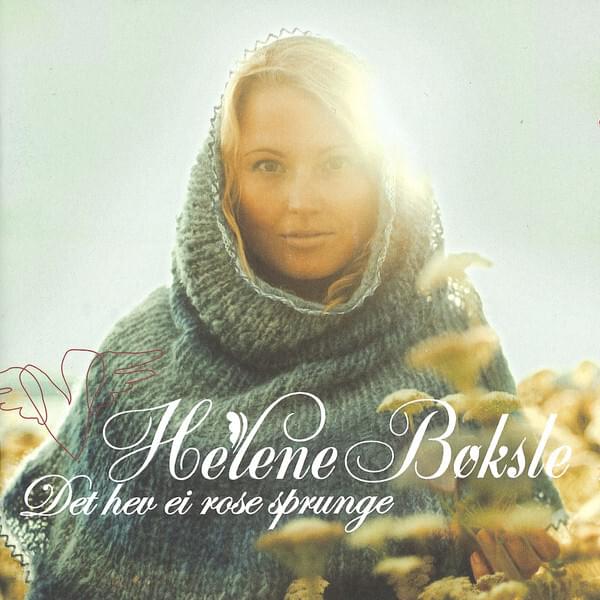
 View Artist