Song Meaning
The lyrics paint a poignant picture of a fleeting, precious night shared between two lovers, underscored by an impending separation. The opening lines introduce Magnhild, whose horn blast seems to amplify a growing sorrow, hinting at a melancholic undercurrent even as the scene is set. The recurring phrase, "Det var mi og alli di / Som leika her under lio" (It was mine and all yours / Who played here under the hillside), anchors the present moment in a shared past, a time of innocent play that now contrasts with the adult complexities of their love and impending goodbye.
The central tension lies in the desperate clinging to the present moment, encapsulated by the urgent "Du må ikkje sova / Det her er den natta vi har" (You must not sleep / This is the night we have). This plea highlights the ephemeral nature of their time together, knowing that with the coming of the sun, their paths will diverge. The narrator expresses a willingness to give up material possessions – "hest og sadel" (horse and saddle) – emphasizing that Magnhild's affection is the only thing of true value, a love that burns intensely "som lauvet i lunden brenn" (like the leaves in the grove burn).
The most striking craft element is the juxtaposition of idyllic past imagery with the somber reality of their situation. The memory of them playing "under lio" (under the hillside) serves as a bittersweet reminder of simpler times, now overshadowed by the knowledge that "Når mørket er over og sola er her skil vi lag" (When the darkness is over and the sun is here, we part ways). This stark contrast between past innocence and present, sorrowful farewell amplifies the emotional weight of their shared night, making it both a cherished memory and a painful prelude to separation.
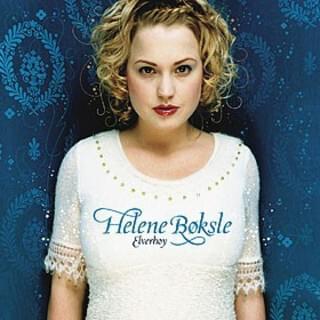
 View Artist