Song Meaning
The lyrics paint a picture of a magnificent castle, adorned with riches and built with carved stones. Within this grand structure, a linden tree flourishes, and at its heart resides a nightingale, whose song fills the midnight hours. This imagery establishes a scene of opulent beauty and natural wonder, setting the stage for a direct address to the nightingale.
The central tension emerges when the speaker directly questions the nightingale, offering a stark contrast between its current confinement and a promised freedom. The speaker asks what they can offer the bird, immediately followed by the proposition: "In winter you came into my cage, in summer you will fly out." This creates a sense of conditional captivity, where the bird's winter hardship is acknowledged but its summer release is presented as a gift from the speaker.
The most striking element is the juxtaposition of the castle's splendor and the nightingale's plight. The castle is described with immense detail – "silver and red gold," "carved stones" – highlighting its material wealth. Yet, the focus shifts to the nightingale, whose song is the true treasure, and whose freedom is being bartered. The speaker's offer feels less like generosity and more like a transaction, trading a temporary, gilded cage for a future, uncertain liberty.
This lyrical exchange is effective because it taps into a primal desire for freedom juxtaposed with the allure of security. The nightingale, a creature known for its beautiful song, is literally caged, making the offer of release poignant. The speaker’s direct address and the simple, almost transactional language make the emotional core of the lyrics – the negotiation of freedom – feel immediate and impactful.
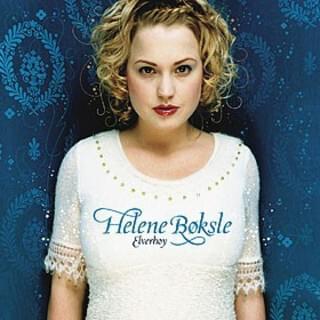
 View Artist