Song Meaning
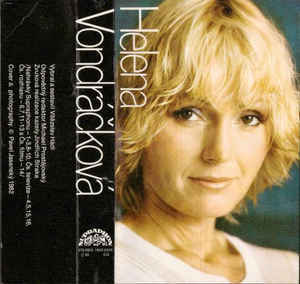
Helena Vondráčková's "Kam zmizel ten starý song?" isn't just a wistful query; it's a poignant meditation on time's relentless march and the ephemeral nature of art, memory, and connection. The repeated question, "Where did that old song disappear to?" acts as a centering point, a melancholic anchor in a sea of changing tastes and forgotten passions. The song directly references Louis Armstrong, grounding its lament in the tangible loss of specific musical traditions – swing and jazz – to the currents of "today." It's not merely about a single song's disappearance, but the fading relevance of entire cultural epochs. The lyrics hint that even the new songs, the contemporary hits, are destined for the same fate, swallowed by time like a ping-pong ball lost in the shuffle. This evokes a sense of existential unease, suggesting that everything we create and cherish is ultimately transient.
The mention of Pan Kainar, who wrote the text, deepens the sense of loss. It subtly acknowledges the collaborative nature of art, highlighting how the disappearance of a song also represents the fading of individual voices and creative partnerships. The singer isn't just mourning a melody; she's mourning a connection to the past, a shared experience, and the unique perspectives that time has erased. The lyrics implicitly critique a youth culture indifferent to this history ("You have your own world / You are sixteen years old / And today you don't hear / How that old song sounded then"). The song pointedly contrasts the vibrant past with a present seemingly detached from its roots.
The song's bittersweet resolution offers a glimmer of hope amidst the melancholy. The call to "Sing, let the sun keep shining" suggests that while individual songs may fade, the act of creation itself remains vital. It’s about finding the "steady point, golden gong," a metaphor for enduring values and passions, even as the tides of time wash away the specifics. The final repetition of "lalalala, water took it," resigns to the inevitable, while simultaneously acknowledging the cyclical nature of things. Vondráčková suggests that the 'now' we cherish will one day be someone else's 'old song', lost to the river of time. The song, therefore, is a plea for remembrance, a call to appreciate the fleeting beauty of art before it vanishes, carried away by the currents of progress and the ever-changing landscape of cultural memory.
 View Artist