Song Meaning
The lyrics paint a stark picture of emotional distance and unresponsiveness. The opening lines immediately establish a sense of coldness, stating "Di marmo siete voi" – you are made of marble. This marble-like quality is attributed to a "Donna" (woman) who is unmoved by the narrator's "colpi d'amore" (blows of love) and "pianto mio" (my tears). The narrator, in turn, feels equally hardened, declaring "E di marmo son io" (and of marble am I), but specifically in response to her "ire" (wrath) and "strali suoi" (her arrows).
This creates a central tension between the narrator's persistent affection and the woman's unyielding pride. The narrator claims to be "costante" (constant) both "Per natura" (by nature) and "Per amor" (for love), highlighting a deep-seated loyalty. However, the woman is described as "dura" (hard/tough), and the narrator's own marble-like state is a reaction to her harshness. It's a cycle of emotional immobility, where both parties are described as "sassi" (stones) and "scoglio" (rock).
The most striking craft element is the consistent use of stone and marble imagery to convey emotional states. The repetition of "di marmo" and the comparison to "sassi" and "scoglio" powerfully illustrate a shared, yet distinct, immutability. The narrator's marble is a shield against her attacks, while her marble is a barrier to his love. The final lines, "Io di fé e voi d'orgoglio" (I of faith and you of pride), crystallize this opposition, revealing the core reasons for their mutual petrification.
These lyrics resonate because they capture a specific kind of relationship deadlock. The shared language of stone and rock emphasizes a mutual inability to connect, yet the underlying reasons differ: faith versus pride. This contrast makes the shared state of being unmoved feel less like a simple lack of feeling and more like a tragic, self-imposed consequence of their opposing natures.
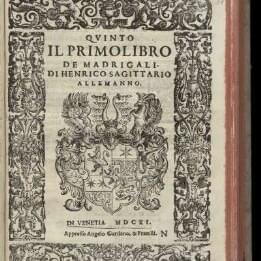
 View Artist