Song Meaning
These lyrics recount a powerful historical narrative, tracing the origins of a people from ancient times through a period of subservience to an emperor, culminating in a fierce struggle for independence. There's an immediate sense of deep historical memory and a profound, enduring connection to the land.
The central tension emerges from an outward loyalty to an imperial power that clashes with an internal, simmering rage. The narrator, embodying a collective identity, describes being "trouw" (loyal) to the emperor while simultaneously carrying "de woede van Germania" (the anger of Germania) in their heart. This internal conflict builds towards a decisive moment where a "Vrijheidszin" (sense of freedom) fills them, leading them to "wierp mijn masker af" (cast off my mask), signaling a rejection of false compliance.
The craft here is particularly effective in its use of repetition and contrasting ideas. The lines "Ik voel de trots / Als ik mijn land aanschouw / Tot in de eeuwigheid / Verbonden met mijn grond" act as a powerful refrain, grounding the historical struggle in an unwavering sense of national pride and belonging. The repeated final stanza, detailing how "Daar heersten de keizers / Met ijzeren hand" but ultimately "Wij zochten de vrede / Maar kozen de oorlog / En vochten ons vrij," starkly contrasts the desire for peace with the grim necessity of war to achieve freedom.
What makes these lyrics hit so hard is how they personalize a grand historical struggle. The shift between the singular "Ik" and the plural "Wij" allows the listener to feel the weight of ancestral memory and collective experience. It's a defiant declaration of identity, suggesting that true freedom is not given, but fiercely "vrijgevochten" (fought free), a choice born of deep-seated pride and an unyielding will against oppression.
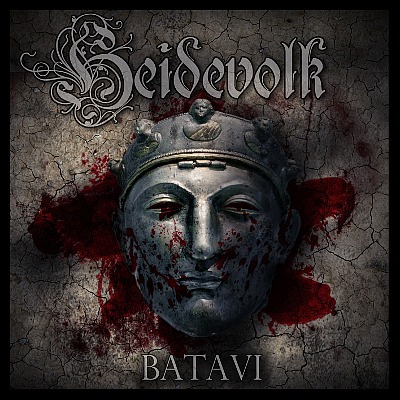
 View Artist