Song Meaning
This song paints a stark picture of a defeated uprising, focusing on the irreversible nature of loss and the finality of conquest. The opening lines establish a sense of past victories, a "triumphal march," but immediately pivot to the grim reality: "the way back is no more." This sets a tone of inevitable decline, where past glories are overshadowed by the present defeat. The narrative then shifts to specific, brutal encounters, like the "bloody fight" at Treverorum, which ultimately served the Roman Empire. The lyrics emphasize that despite acts of "heroic courage" and dreams of something "greater," the end was truly here.
The core tension lies between the valiant but ultimately futile resistance of the Batavians and the overwhelming might of Rome. The repeated imagery of battles and occupied camps highlights the scale of the conflict, yet the outcome is consistently framed as a definitive end. Phrases like "the end had now truly arrived" and the mention of Julius being defeated underscore the decisive nature of this loss. The lyrics capture the poignant moment when a struggle, however bravely fought, is irrevocably over, leaving only the terms of surrender.
The most striking craft element is the stark contrast between the initial sense of a "triumphal march" and the subsequent, unyielding narrative of defeat. The lyrics use geographical and historical references, such as "Castra Vetera" and "Germania," to ground the story in a specific context, lending weight to the historical sweep of the conflict. The recurring chorus, with its mention of "heroic courage" and "daring to dream," serves as a poignant counterpoint to the repeated pronouncements of the end, highlighting the tragic gap between aspiration and reality.
What makes these lyrics resonate is their unflinching portrayal of a lost cause. The writing avoids romanticizing the struggle, instead focusing on the brutal mechanics of conquest and the finality of defeat. The imagery of a "bridge broken in the middle" over the Nabalia River powerfully visualizes the severed connection to past independence and the irreversible nature of the "new alliance" forged under Roman dominance. It’s the clear, unadorned depiction of an ending that gives the song its somber power.
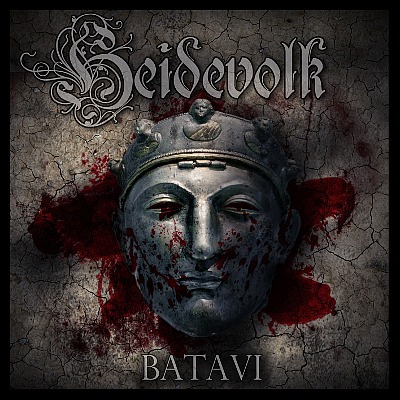
 View Artist