Song Meaning
Harry Connick, Jr.'s rendition of "Old Time Religion" isn't just a performance; it's a cultural artifact, a sonic echo chamber reflecting both the comfort and the potential pitfalls of inherited belief systems. The insistent repetition of "Gimme that old time religion" becomes less a fervent request and more a mantra, a psychological anchoring to familiar ground. The song's simple structure belies a complex interplay between individual identity and collective heritage. Is Connick genuinely seeking spiritual solace, or is he exploring the seductive ease of accepting pre-packaged morality? The phrase "good enough for me" walks a tightrope between humble acceptance and intellectual resignation. It subtly prompts the listener to question the degree to which they've critically examined their own foundational values.
The constant references to familial precedent—"good for our mothers," "saved our fathers"—highlight the powerful role of intergenerational influence. This isn't merely about religious dogma; it's about the emotional weight of tradition, the unspoken pressure to conform to ancestral expectations. Psychologically, this can manifest as both a source of comfort and a potential breeding ground for internalized conflict. The song’s insistent simplicity might even be seen as a reflection of the unexamined acceptance of ideas passed down through generations. The line "Makes me love everybody" sounds ideal, but could also reflect a shallow understanding of love, one based on blind faith rather than genuine empathy and understanding of others' lived experiences.
Ultimately, the song meaning of "Old Time Religion," as interpreted by Harry Connick, Jr., resides in its ambiguity. It avoids easy answers, instead inviting listeners to confront their own relationship with inherited beliefs. Is there genuine wisdom in the traditions of the past, or is there a danger in blindly accepting what's "good enough" without critical thought? The song’s promise that "It will take us all to heaven" offers a comforting certainty, but also a passive surrender to a prescribed path. The true power of the song lies in its ability to spark this internal dialogue, urging us to examine the foundations upon which we build our lives.
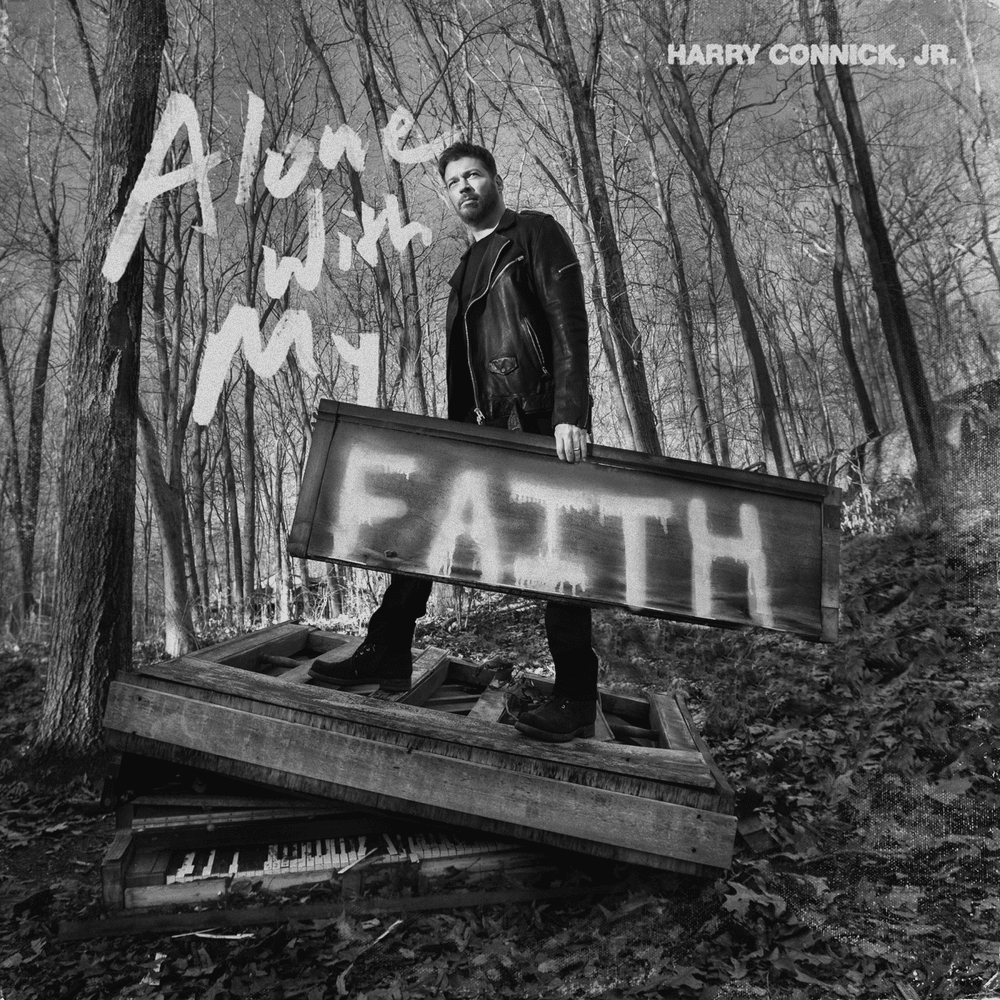
 View Artist