Song Meaning
Harry Connick, Jr.'s rendition of "Amazing Grace" isn't just a hymn; it's a stark and intimate confession of human frailty finding solace in the divine. Stripped of pomp, Connick's performance allows the song's core message to resonate with raw emotional honesty. The opening lines, "Amazing Grace, how sweet the sound / That saved a wretch like me," aren't delivered as a pronouncement, but as a deeply personal acknowledgement of imperfection. It's the psychological turning point – the moment of recognizing one's own 'lost' state – that gives the subsequent discovery of faith its profound impact. The "blindness" referenced in the lyrics serves as a potent metaphor for the human condition before enlightenment, a state of ignorance and moral wandering. This isn't just about religious salvation; it's about the universal search for meaning and redemption.
The song's power lies in its stark simplicity, amplified by Connick's understated delivery. The lyrics speak of a journey through "many dangers, toils and snares," a sentiment that resonates far beyond religious contexts. It's a testament to the resilience of the human spirit, guided by an unseen force – whether one interprets that as divine intervention or simply the inherent capacity for hope. The repetition of "Grace" throughout the song acts as a mantra, reinforcing the idea that salvation isn't earned but freely given. This concept can be interpreted psychologically as a release from self-condemnation, allowing for self-acceptance and growth.
Ultimately, Harry Connick, Jr.'s "Amazing Grace" transcends its religious origins to become a powerful meditation on the human condition. It's a reminder that even in our darkest moments, the possibility of redemption and a renewed sense of purpose remains. The song's enduring appeal lies in its ability to tap into our deepest fears and insecurities, offering a path toward healing and self-discovery. It's a testament to the transformative power of belief, whether in a higher power or simply in the inherent goodness of humanity.
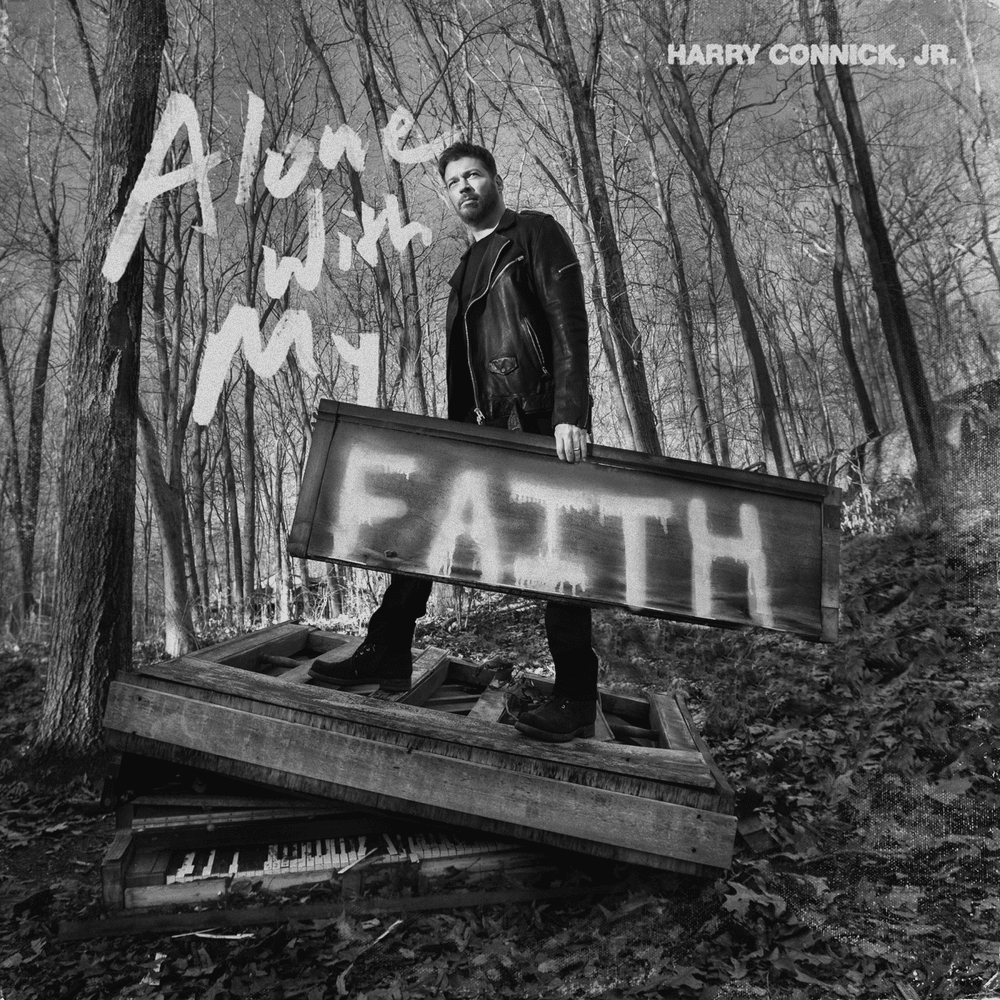
 View Artist