Song Meaning
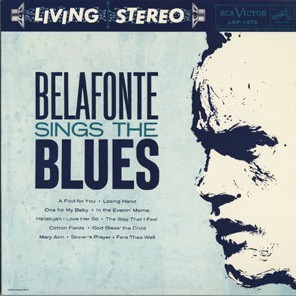
Harry Belafonte's "The Way That I Feel" isn't just a lament; it's a masterclass in existential blues, rendered with a deceptively simple folk framework. The song meaning hinges on a cascade of metaphors depicting utter displacement and emotional wreckage. Belafonte doesn't just tell us he's sad; he embodies a broken machine, a rusting tin can, a man without a home, literally and figuratively. The brilliance lies in the universality of these images. Who hasn't felt, at some point, like a discarded object, useless and forgotten? The lyrics resonate because they tap into the primal fear of abandonment and the struggle for self-worth. He's not just heartbroken; he's untethered.
The repeated declarations of feeling like a stranger—"I feel like a stranger everywhere, feel like I like to go back home, but I'm even a stranger there"—are particularly poignant. This isn't merely about romantic rejection; it's a deeper alienation, a sense of not belonging anywhere, even in the place that should be most familiar. It speaks to the psychological impact of loss, how it can shatter one's sense of identity and belonging. The lyrics suggest a profound disconnect, a feeling of being adrift in a world that no longer recognizes or accepts him.
Belafonte's delivery, though understated, amplifies the song's emotional core. There's a weariness in his voice that underscores the feeling of defeat. Even the acknowledgement of effort—"Well I've tried, God knows I've tried"—only serves to highlight the futility of his attempts to move on. The final lines, where his baby is constantly on his mind, seals the song's overarching message: some wounds, no matter how hard we try, refuse to heal. "The Way That I Feel" is a raw, honest portrayal of despair, elevated by Belafonte's artistry and the song's enduring emotional truth.
 View Artist