Song Meaning
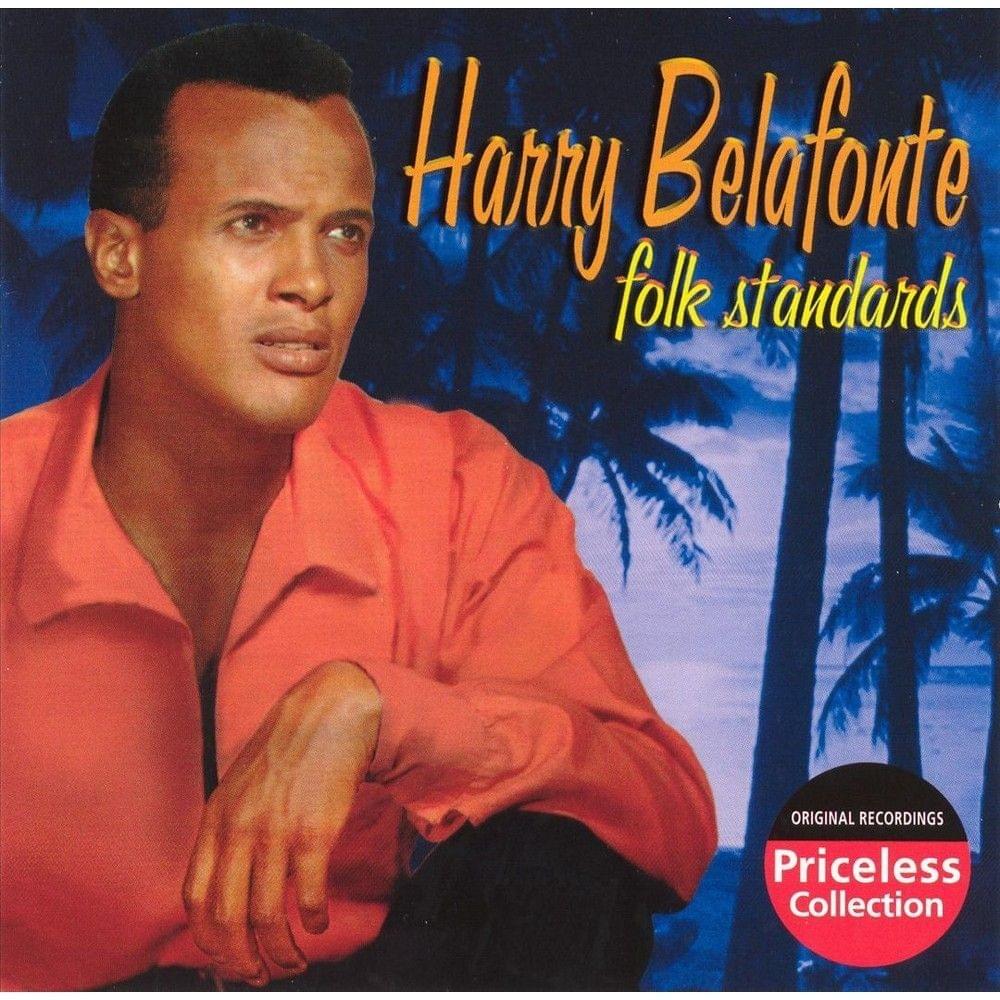
{"song_id": 11835150, "meaning": "Harry Belafonte's \"The Dolphin\" isn't a jaunty sea shanty; it's a melancholic echo chamber of longing and disillusioned hope. The track layers a deceptively simple melody over a profound yearning, a quest for something almost mythic in its purity. The dolphin, in this context, isn't just a marine mammal, but a symbol of an idealized, perhaps unattainable, state of grace. The repeated line, \"I'm searching for the dolphins in the sea,\" becomes a mantra of restless searching, a quest for peace in a world demonstrably resistant to it. Belafonte's weary vocal delivery underscores a world-weariness, hinting at battles fought and lost, ideals tarnished by the relentless grind of reality. The song's power lies in its quiet resignation, its understanding that the search itself might be the only solace available.
The lyrics subtly weave personal reflection with broader societal anxieties. The opening lines, \"This old world may never change the way it's been/And all the ways of war can't change it back again,\" establish a backdrop of cyclical violence and entrenched patterns. Within this bleak landscape, the speaker seeks connection and remembrance. The wistful line, \"Sometimes I wonder do you ever think of me,\" pierces through the larger themes of global unrest, grounding the song in a relatable human desire for acknowledgement and love. This juxtaposition highlights the tension between individual vulnerability and the overwhelming forces of history. It suggests that even amidst grand struggles, the most profound human experiences often revolve around simple questions of connection and belonging.
\"The Dolphin\" works because it doesn't offer easy answers or saccharine platitudes. Instead, it embraces the complexity of the human condition, acknowledging both the enduring presence of conflict and the persistent hope for something better. The reference to \"Saturday's child\" evokes a nostalgia for carefree days, a stark contrast to the present's burdens. This juxtaposition reinforces the song's central theme: the tension between innocence and experience, between the world as it is and the world as we wish it could be. Ultimately, the song meaning resides in its quiet insistence on the importance of searching, even when the object of that search remains elusive."}
 View Artist