Song Meaning
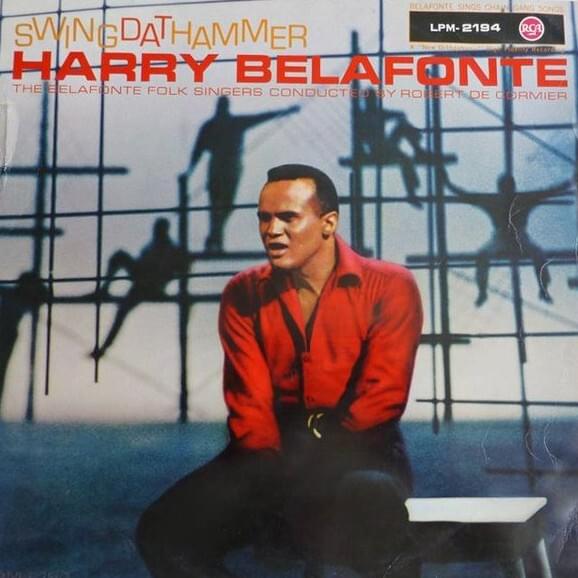
Harry Belafonte's rendition of "Swing Dat Hammer" isn't just a work song; it's a stark, rhythmic portrait of despair and a plea for redemption couched within the brutal reality of the chain gang. The cyclical nature of the lyrics, the relentless repetition of "Swing dat hammer till you dead," mimics the unending, crushing labor imposed upon the incarcerated. It's a sonic manifestation of physical exhaustion and the psychological toll exacted by forced servitude. The hammer becomes both the instrument of their oppression and a symbol of their slow, agonizing demise. In this interpretation, the song meaning transcends mere physical labor. Instead, the hammer represents the crushing weight of systemic injustice.
Interwoven with the relentless rhythm of the hammer is a poignant undercurrent of personal shame and a desperate longing for familial acceptance. The lines addressed to his mother – "Mama, mama do not scorn me / Do not turn me from your door" – reveal a deep-seated fear of abandonment and a yearning for forgiveness. He's not merely lamenting his physical imprisonment but also the potential severance of his most fundamental human connection. The singer internalizes his guilt, questioning whether his mother regrets his birth because of his actions. This introspection adds a layer of vulnerability to the otherwise stoic depiction of hard labor.
Ultimately, "Swing Dat Hammer" is a complex narrative that explores the intersection of systemic oppression and individual culpability. While the lyrics depict the dehumanizing conditions of the chain gang, they also acknowledge the singer's own role in his predicament. The song's power lies in its ability to simultaneously evoke empathy for the plight of the incarcerated and prompt reflection on the choices that led them there. The performance becomes an act of bearing witness, forcing the listener to confront the uncomfortable truths about justice, punishment, and the enduring human need for belonging. The raw emotion embedded within the deceptively simple structure elevates it beyond a mere folk song, transforming it into a powerful testament to the resilience and fragility of the human spirit under extreme duress.
 View Artist