Song Meaning
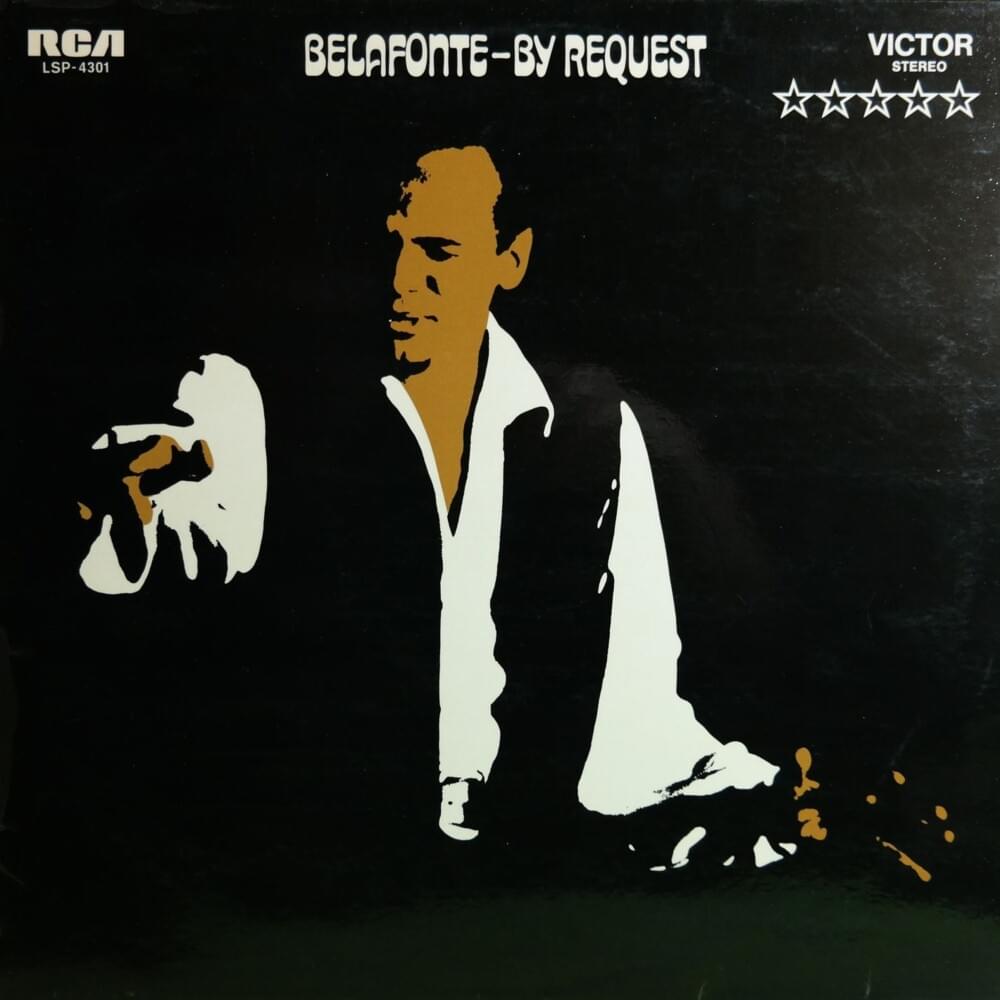
Harry Belafonte's rendition of "Scarborough Fair" isn't merely a folk song; it's a layered psychological portrait of lost love and impossible expectations. The recurring refrain, "Parsley, sage, rosemary, and thyme," acts as both a comforting anchor and a haunting reminder of a relationship severed. Each herb traditionally carries symbolic weight – parsley for comfort, sage for strength, rosemary for remembrance, and thyme for courage – suggesting the singer's desperate attempt to imbue the messenger with qualities he himself lacks in the face of heartbreak. The listener must remember that this song is not an original composition for Belafonte, and his take on the song is what matters here. In his capable hands, the song becomes something new. He presents a specific interpretation of the song.
The verses outline a series of increasingly absurd and paradoxical tasks. The cambric shirt with no seams or needlework, the acre of land between salt water and sea strands, the reaping with a leather sickle – these are not literal requests but symbolic representations of the impossible standards the singer projects onto his former lover. They highlight the chasm between idealized love and the messy reality of human relationships. The lyrics expose a mind grappling with the pain of rejection, erecting metaphorical barriers to avoid confronting the true reasons for the separation. The tasks are designed to be unachievable, perhaps reflecting the singer's subconscious desire to keep the memory of the lost love alive, even if only as an unattainable ideal.
Ultimately, "Scarborough Fair" as performed by Belafonte transcends a simple tale of lost romance. It delves into the psychological complexities of grief, denial, and the human tendency to create elaborate fantasies as a defense against emotional pain. The song becomes a poignant exploration of how we often sabotage our own chances at happiness by clinging to unrealistic expectations and projecting our own insecurities onto others. Belafonte's delivery, imbued with a sense of wistful resignation, underscores the profound sadness at the heart of this timeless ballad. The song is a stark reminder of the enduring power of memory and the enduring human struggle to reconcile idealized love with the imperfections of reality.
 View Artist