Song Meaning
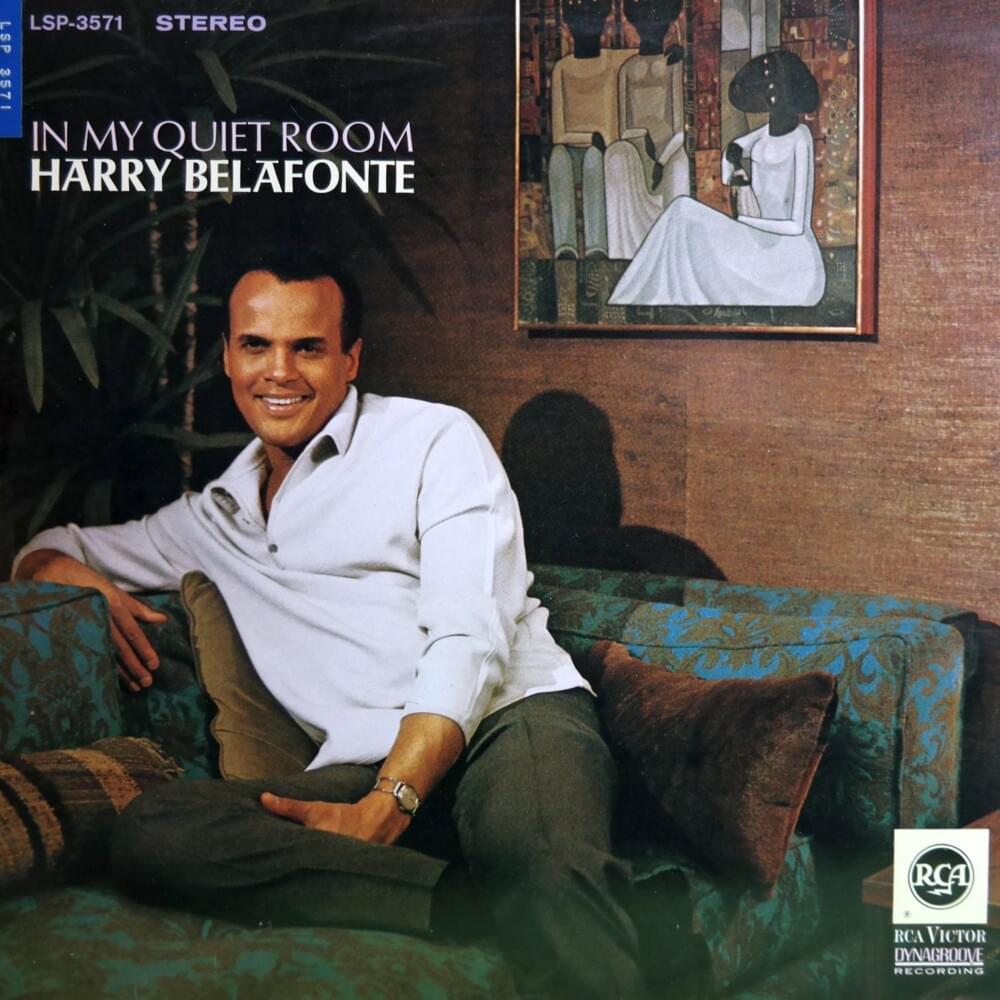
Harry Belafonte's "Quiet Room" isn't just a song; it's an architectural blueprint of the human psyche. The song's central metaphor is a sanctuary, a space carved out of the everyday, accessible only to the self. It's a place where vulnerability isn't a weakness, but a prerequisite for entry. Belafonte isn't singing about physical isolation; he's mapping the internal geography of introspection and the bittersweet allure of solitude. The "open door" representing the rest of his life suggests a performative existence, a life lived for others, where his features are "all be known." In contrast, the quiet room is fiercely private, a bulwark against the world's relentless demands. It’s a space of authentic, unadulterated self.
The "dreams piled high on a shelf" speak to ambition, perhaps unfulfilled potential, or simply the accumulated weight of aspirations. The "looking glass / For really seeing myself" is a starkly honest image. It's not about vanity, but rather the courage to confront one's true nature, flaws and all. This room isn't a hedonistic escape; it's a workshop for the soul. The lyrics suggest the room is a place to work through the complexities of self-understanding, a place where self-deception crumbles under the weight of honest reflection.
The final verse introduces a poignant twist. The singer, secure in his solitude, yearns for connection. "Sometimes I sit in the lonely gloom / And I think how fine it would be / If you could come to my quiet room / And share it's treasures with me." This isn't a desperate plea, but a carefully considered invitation. It acknowledges the inherent risk of sharing one's inner world, the potential for judgment or misunderstanding. The treasures aren't material possessions, but the hard-won insights and fragile dreams that define the self. The quiet room, ultimately, becomes a symbol of the delicate balance between self-sufficiency and the universal human need for intimacy.
 View Artist