Song Meaning
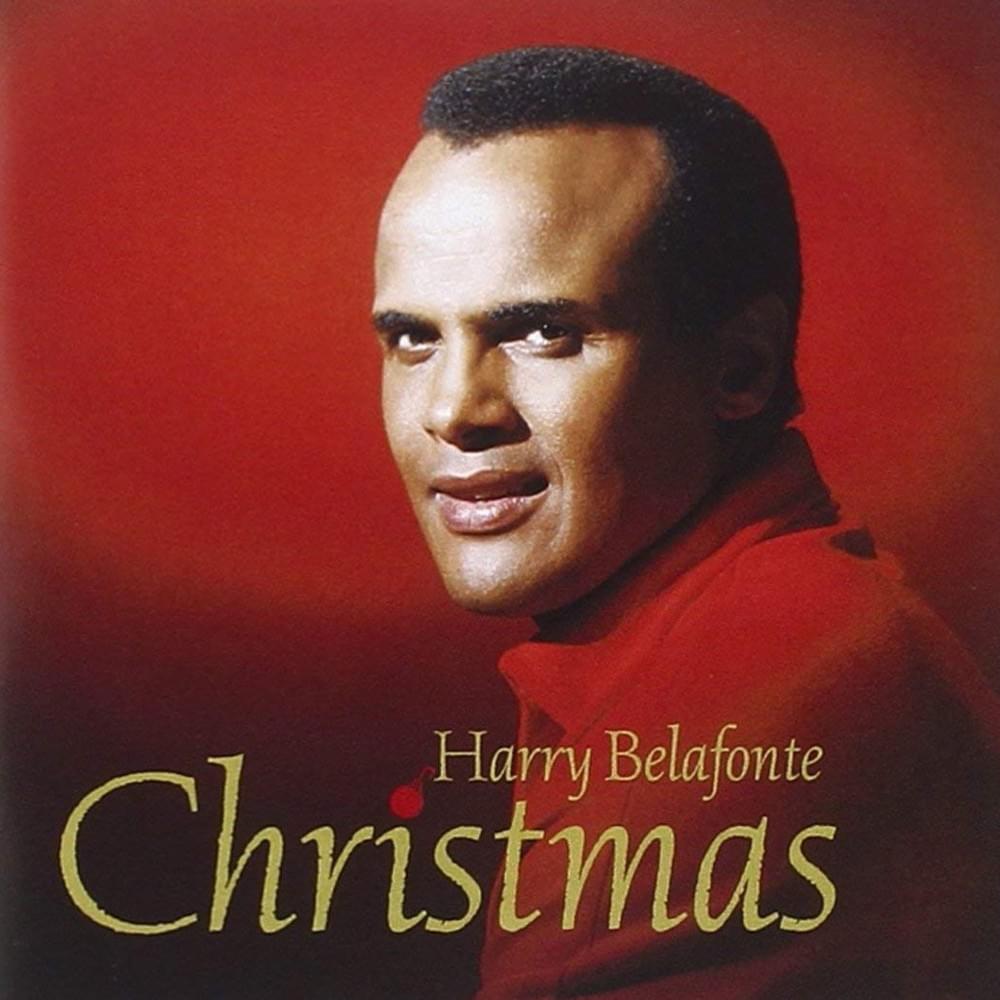
Harry Belafonte's rendition of "I Heard the Bells on Christmas Day" isn't just a festive carol; it's a raw confrontation with the enduring tension between hope and despair. The song's power lies in its unflinching portrayal of disillusionment against the backdrop of a season supposedly defined by peace. Belafonte's interpretation amplifies the inherent conflict within the lyrics – the jarring dissonance between the idealistic message of 'peace on earth, good will to men' and the palpable reality of a world riddled with hate. This creates a profound psychological impact, forcing listeners to confront their own struggles with faith and optimism in the face of persistent adversity. The song meaning hinges on this very contrast. It acknowledges the seductive pull of cynicism while simultaneously clinging to the possibility of redemption.
The genius of "I Heard the Bells on Christmas Day" lies in its refusal to offer easy answers. The lyrics don't shy away from expressing the speaker's profound despair, a sentiment many find relatable in a world seemingly perpetually teetering on the brink of chaos. The lines 'There is no peace on earth, I said / For hate is strong / And mocks the song' are a stark admission of vulnerability. But the carol doesn't wallow in hopelessness. The subsequent resurgence of the bells, 'more loud and deep,' signals a defiant refusal to surrender entirely to negativity. This push-and-pull between despair and a fragile, yet resilient, hope is what makes the song so resonant and human. The music serves as a reminder that even in the darkest of times, the embers of belief can still be rekindled.
Ultimately, Belafonte's delivery emphasizes the song's core message: the pursuit of peace is not a passive acceptance but an active, ongoing struggle. It demands a constant re-evaluation of our beliefs and a willingness to challenge the pervasive forces of hate. The final verses, proclaiming that 'God is not dead nor doth He sleep,' offer a conditional affirmation, a statement of faith tempered by the preceding acknowledgment of despair. It's a mature, nuanced understanding of hope – one that acknowledges the ever-present reality of suffering while still daring to believe in the possibility of a better world. This is not a naive Christmas wish; it's a call to action, a reminder that the work of creating 'peace on earth, good will to men' is never truly finished.
 View Artist