Song Meaning
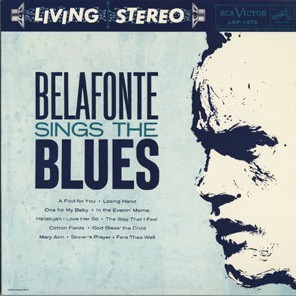
Harry Belafonte's interpretation of "God Bless the Child" resonates with stark economic realities, a theme that feels both timeless and tragically relevant. The song, at its core, is a survival anthem, acknowledging the brutal truth that those with resources are poised to accumulate more, while those without are destined to lose. It’s a narrative of self-reliance born not of choice, but of necessity. The repeated line, "Mama may have, papa may have, But God bless the child that's got its own," underscores a world where familial support isn't guaranteed, and individual agency becomes the only viable path to security.
The song's power lies in its unsentimental portrayal of human relationships warped by financial disparity. Belafonte doesn't shy away from depicting the transactional nature of friendships and familial bonds, illustrating how wealth attracts opportunists while poverty breeds isolation. The lyrics highlight the fickle nature of generosity, where even "rich relations" offer only meager scraps, reinforcing the idea that true security comes from self-sufficiency. This isn't a celebration of individualism, but a somber recognition of a system that forces individuals to fend for themselves.
Ultimately, "God Bless the Child" transcends a simple commentary on economic inequality. It delves into the psychological impact of financial insecurity, exploring themes of independence, resilience, and the emotional toll of navigating a world where worth is often measured by wealth. Belafonte's rendition amplifies the song's inherent tension between the desire for connection and the harsh reality that self-reliance is often the only dependable lifeline. In a society grappling with ever-widening wealth gaps, the song remains a potent and poignant reminder of the enduring struggle for economic survival and the psychological fortitude required to navigate it.
 View Artist