Song Meaning
Harry Belafonte's interpretation of "Dark as a Dungeon" isn't just a folk song; it’s a chilling descent into the psychological abyss of the working class. The song, a stark warning cloaked in melodic simplicity, speaks to the seductive yet destructive nature of labor, specifically within the confines of coal mining. It's an addiction narrative, but instead of chasing a chemical high, the miners are chasing a deeply ingrained sense of purpose, however warped. The lyrics paint a grim picture of a life consumed by the mine, where the darkness seeps into the soul, turning blood as black as the coal they extract. This transformation isn't merely physical; it’s a metaphorical death, a slow erosion of the self. The opening verse immediately establishes the cautionary tone, urging young men to avoid seeking their fortune in such a bleak environment, suggesting that the mine's allure is a trap that breeds dependence.
The psychological weight of the song lies in its depiction of the mine as an inescapable force. Belafonte's performance amplifies this sense of dread. The line "a man will have lust for the lure of the mine" is particularly haunting, suggesting a perverse desire that overrides self-preservation. It highlights the psychological manipulation inherent in exploitative labor practices, where workers are drawn into a cycle of dependency, sacrificing their well-being for a fleeting sense of purpose or belonging. The song subtly critiques a system that preys on the vulnerable, offering a dangerous path disguised as an opportunity.
Ultimately, "Dark as a Dungeon" transcends its historical context, resonating as a timeless exploration of human vulnerability and the seductive power of destructive habits. The final verse, where the singer envisions his body turning to coal, only to be dug up by another miner, encapsulates the cyclical nature of this exploitation. It's a bleak, almost nihilistic vision, suggesting that the suffering endured in the mines is an unending curse, passed down through generations. Belafonte's rendition doesn't offer easy answers or false hope; instead, it forces listeners to confront the uncomfortable realities of labor and the psychological toll it can exact.
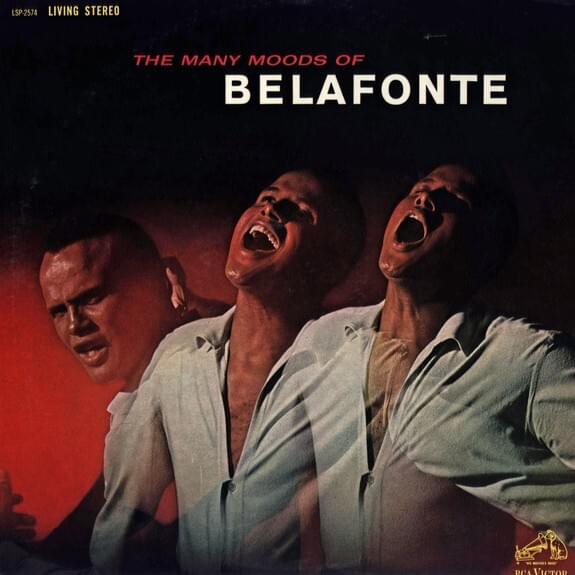
 View Artist