Song Meaning
Harry Belafonte's rendition of "Buked and Scorned" isn't just a spiritual; it's a stark declaration of resilience forged in the crucible of adversity. The repetition of the opening lines, "I've been buked and I've been scorned," serves as a mantra, a rhythmic testament to enduring hardship. But the genius lies not merely in acknowledging suffering, but in framing it as a journey undertaken, significantly, "all alone." This solitude isn't presented as a lament, but as a space where inner strength is cultivated. The song meaning isn't about wallowing; it's about transcending.
The defiant stanza, "You may talk about me sure as you please/Your talk will never drive me down to my knees," throws shade at detractors, transforming their negativity into fuel. Belafonte, channeling the spirit of the song, uses their scorn as a catalyst for self-affirmation. It’s a powerful statement about the futility of external validation when one possesses an unshakeable sense of self. The lyrics analysis reveals that the true power resides in the individual's ability to withstand verbal attacks and maintain their integrity.
The spiritual core of "Buked and Scorned" surfaces in the lines referencing Jesus's sacrifice. "Jesus died to set me free" isn't simply a religious declaration; it's a metaphor for liberation from earthly burdens and societal constraints. The image of Christ "Nailed to that cross on Calvary" becomes a symbol of ultimate suffering endured for a greater purpose. This injects a layer of profound hope into the song, suggesting that even in the face of intense persecution, redemption and freedom are attainable. Ultimately, Harry Belafonte delivers a message that acknowledges the very real pain of being judged and ostracized, while simultaneously offering an antidote: unwavering self-belief and the promise of spiritual liberation.
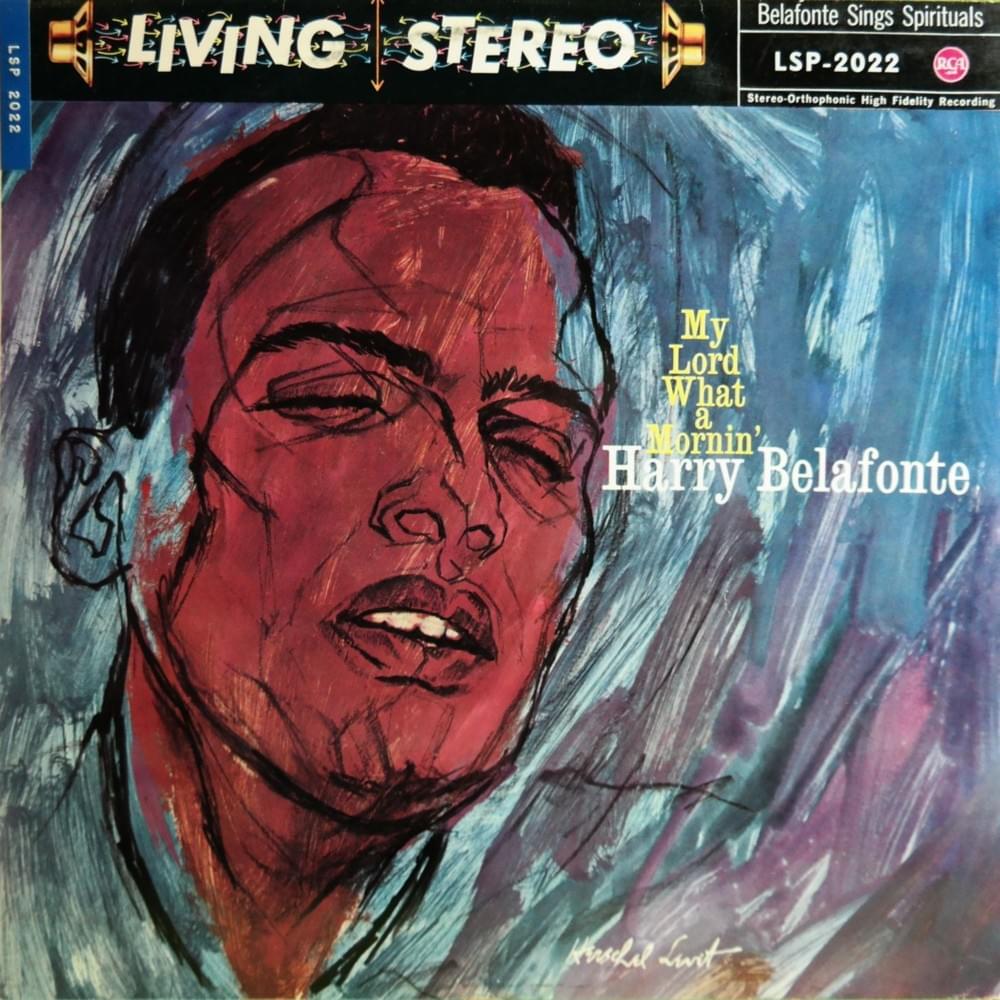
 View Artist