Song Meaning
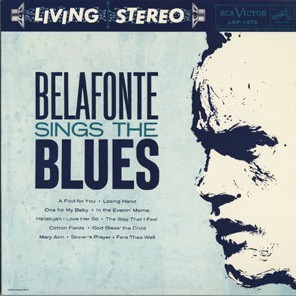
Harry Belafonte’s rendition of "A Fool for You" doesn't just narrate heartbreak; it dissects the anatomy of obsession. The opening lines immediately establish a stark reality: rejection. He acknowledges the explicit dismissal, the unambiguous declaration of lost love. Yet, the core of the song isn't the lament of lost love itself, but the agonizing question that follows: "Oh what makes me such a fool for you." This isn't a plea for reconciliation; it's an internal inquest into the singer’s own psyche. What fundamental flaw, what weakness in his own emotional architecture, allows him to remain tethered to someone who has so clearly moved on? The beauty and the tragedy is that he seems no closer to an answer at the song's close.
The second verse reinforces the initial rejection with a geographical and emotional displacement. She doesn't just not want him; she has someone else, a man “way ‘cross town.” This detail amplifies the sting, painting a picture of a life actively being built without him. Yet, the singer's focus remains stubbornly inward, trapped in a loop of self-recrimination. It's a portrait of denial, or perhaps a more complex form of self-inflicted emotional flagellation, where the pain of unrequited love becomes a twisted source of identity. He knows he should move on, that he *could* move on, but can't bring himself to do so.
The final verse shifts from introspection to a shared understanding of sorrow, but it is still rooted in the narrator's own experience. The question, "Did ya ever wake up cryin' / Like you never cried before," connects the singer's personal agony to a universal experience of profound grief. But even in this moment of potential empathy, the focus remains on the overwhelming intensity of his own pain – a sorrow so loud it “give[s] the blues to your neighbor next door.” "A Fool for You" then, isn’t just a song about being a fool for someone; it’s about the profound, and often isolating, experience of being consumed by a love that refuses to die, even in the face of absolute rejection. The song meaning hinges on that inability to let go, the stubborn refusal of the heart to accept what the mind already knows.
 View Artist