Song Meaning
The lyrics paint a stark picture of a love that has ended, leaving behind only pain and memories. The repeated plea, "Poslije nas nemoj voljeti" (After us, don't love), sets a tone of finality and despair. It suggests a relationship so profound that its dissolution renders all future love impossible or undesirable for both parties involved. The narrator isn't just mourning a breakup; they're declaring the end of love itself for them.
This sense of absolute finality is amplified by the assertion that "Poslije nas nece biti ljubavi" (After us, there will be no love) and "nece biti mladosti" (there will be no youth). These lines elevate the breakup from a personal tragedy to an existential one, implying that the shared experience of their love was the very source of their vitality and capacity for future happiness. The future is presented as a void, filled only with "Samo bol i uspomene..." (Only pain and memories).
The narrator's current state is one of profound loneliness and struggle. The days stretch on "k'o godine" (like years), emphasizing the agonizing slowness of time without their loved one. The line "Tudje su zene sad kraj mene" (Other women are now beside me) suggests an attempt to move on, but it's framed as an escape, "A ja bjezim od sudbine..." (And I'm running from fate). This isn't a picture of healing or finding new love, but of desperate flight from an inescapable sorrow.
Ultimately, the power of these lyrics lies in their unyielding bleakness and the raw, almost brutal honesty of their emotional landscape. The constant repetition of the core phrases hammers home the inescapable nature of the pain. It’s a raw articulation of a love so consuming that its absence doesn't just hurt, it obliterates the possibility of joy, leaving only the echo of what was and the certainty of what will never be again.
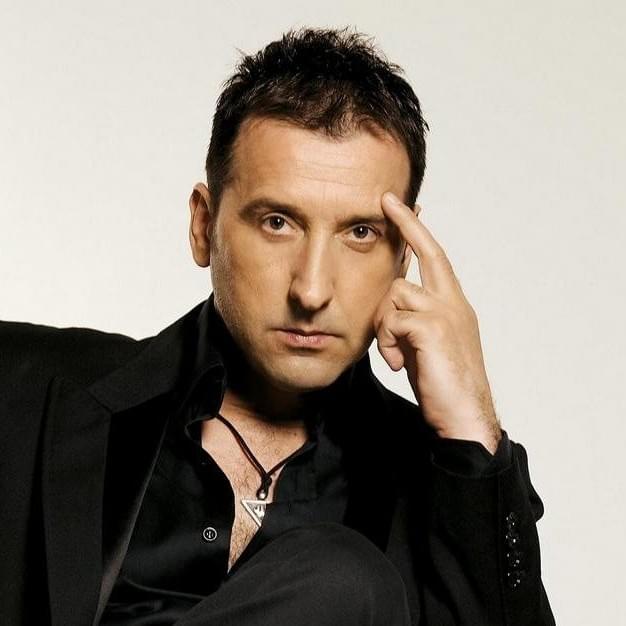
 View Artist