Hari Mata Hari
9.7K Listeners
Artist Bio
Hari Mata Hari: The Balkan Pop Icon Still Giving Us All The Feels
Introduction & Current Status
If you've ever found yourself deep in the rabbit hole of global pop, or just appreciate a good, soul-stirring ballad, chances are you've stumbled upon Hari Mata Hari. This iconic Bosnian pop-folk ensemble, fronted by the magnetic Hari Varešanović, isn't just a band; it's a whole mood. For decades, they’ve been delivering anthemic tracks and heartfelt lyrics that resonate far beyond the Balkan Peninsula, proving that true artistry transcends borders.
Even after all these years, Hari Mata Hari remains incredibly relevant. Their catalog isn't just a collection of throwbacks; it’s a living testament to enduring musical craftsmanship. From their legendary Eurovision performance to their consistent output of emotional bops, they’ve cemented their status as a low-key iconic act whose influence continues to shape the contemporary regional sound. They’re basically the main character energy of Balkan pop.
Early Life & Background
Hari Varešanović, the voice and soul of Hari Mata Hari, first saw the light of day in Sarajevo, Bosnia and Herzegovina, back when it was part of Yugoslavia. His childhood wasn't just about school and playground shenanigans; it was steeped in music. Sarajevo, a cultural melting pot, offered a vibrant backdrop for a young talent to emerge, buzzing with diverse sounds from traditional folk to burgeoning rock and pop scenes.
From a tender age, Varešanović found himself drawn to melodies, picking up the guitar and starting to write his own tunes. He wasn't just passively listening; he was actively absorbing, letting the rich tapestry of Balkan music, coupled with Western rock and pop influences, shape his nascent artistic identity. This early exposure to a wide spectrum of sounds laid the groundwork for the versatile, emotive style that would later define Hari Mata Hari.
Career Beginnings
Before Hari Mata Hari became a household name, Hari Varešanović cut his teeth in various local bands, honing his craft and developing his distinctive vocal style. The early 1980s saw him navigating the vibrant, competitive Sarajevo music scene, playing gigs and building a reputation as a powerful vocalist with a knack for expressive delivery. These formative years were crucial, allowing him to experiment with different genres and find his unique artistic voice.
The official formation of Hari Mata Hari in 1985 marked a pivotal moment. The band quickly garnered attention with their unique blend of pop sensibilities and traditional Balkan melodic structures. Their debut album, "U tvojoj kosi," released that same year, signaled their arrival, laying down the groundwork for what would become a formidable discography. It wasn't an overnight explosion, but a steady climb fueled by raw talent and a clear artistic vision.
Major Albums & Discography
Hari Mata Hari's discography is a treasure trove of emotionally charged albums, each telling a story and showcasing their evolving sound. Their 1988 album, Strah me da te volim, was a game-changer, cementing their status as pop heavyweights in the region. It delivered on its promise of deep, resonant tracks that resonated with a wide audience, making it a classic.
Then came 1990's Ja te volim najviše na svijetu, an album that truly showcased their lyrical prowess and Hari Varešanović’s unparalleled vocal delivery, solidifying their romantic ballad niche. The early 90s also brought Rođena si samo za mene, which continued to build on their signature sound, proving their consistent ability to drop hits. Later, the reflective Balade 1992 - 2002 offered a poignant look back at a decade of their most tender moments, a must-listen for any true fan.
Their 2001 album, Baš ti lijepo stoje suze, proved they still had a tight grip on the charts, offering fresh tracks while retaining their classic melancholic charm. Following this, Sreća in 2002 brought a renewed energy, proving their longevity wasn't just about nostalgia. And who could forget Zakon jačega from 2004? It was a powerful statement that reinforced their enduring relevance.
Later projects like Ja nemam snage da te ne volim and Ćilim further demonstrated their commitment to evolving their sound while staying true to their roots. And for those looking for the ultimate starter pack, Najljepše od Hari Mata Hari is the definitive compilation, showcasing their best work and highlighting why they remain one of the region's most beloved acts.
Hit Songs & Signature Tracks
Hari Mata Hari has an enviable catalog of tracks that have reached anthem status across the Balkans and beyond. One of their early standout hits was Sedamnaest Ti Je Godina, a track that perfectly captured youthful romance and heartbreak, becoming a staple for a generation. It’s the kind of song that instantly transports you back in time, hitting all the nostalgic feels.
The iconic Strah me da te volim, also the title track of their seminal album, showcases Hari Varešanović’s vocal power and the band’s mastery of emotional storytelling. It’s a ballad that just *hits* differently, weaving a narrative of vulnerable love that still resonates. Another fan favorite, A gdje je ona (slatka k’o bonbona), brought a lighter, more playful energy, proving their versatility beyond just heartfelt laments.
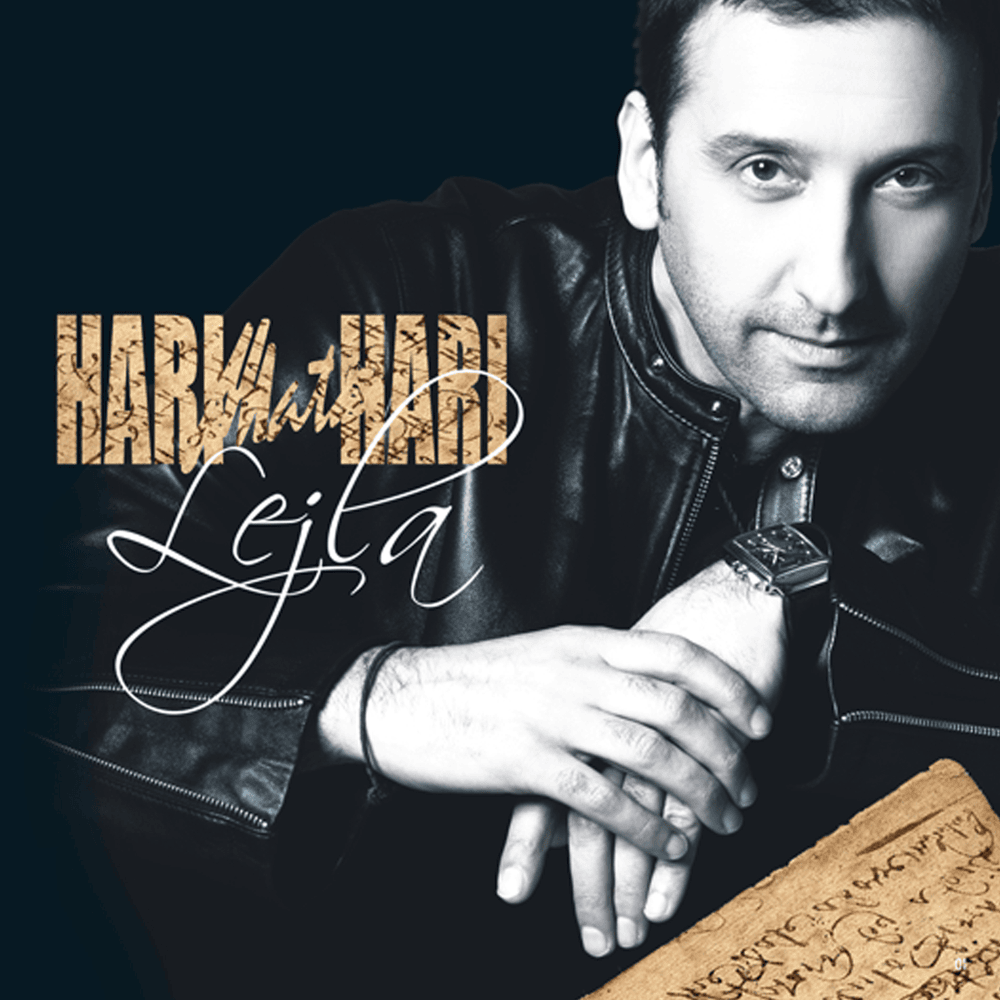
Of course, no discussion of Hari Mata Hari’s hits is complete without acknowledging Lejla. This track, which represented Bosnia and Herzegovina at Eurovision 2006, became an instant classic, not just for its stunning performance but for its deeply moving melody and lyrics. It’s a masterclass in emotional delivery, earning them a well-deserved third place and global recognition.
Beyond Eurovision, songs like Ja Ne Pijem continue to be celebrated for their raw honesty and catchy hooks, while Ne Lomi Me delivers another dose of their signature melancholic pop. Tracks like Moj Si Porok, Kad Jesen Zamuti, and Prsten I Zlatni Lanac further illustrate their consistent ability to craft unforgettable melodies and poignant lyrics, each becoming a beloved part of their expansive legacy.
Collaborations & Features
Hari Mata Hari, particularly through Hari Varešanović’s distinctive vocals, has been a sought-after collaborator, lending their unique flavor to various projects. These collaborations have often resulted in exciting cross-genre experiments and expanded their reach to new audiences. It’s a testament to their adaptability and the universal appeal of their sound.
One of their most iconic collaborative moments involved the legendary Kemal Monteno on the track “Nije čudo što te volim ludo,” a fusion of two incredible voices that created pure magic. Such partnerships highlight Hari Mata Hari’s willingness to blend their established sound with other artists, creating something fresh yet familiar. They’re always down to share the spotlight for a truly epic moment.
These features and duets aren't just about expanding their discography; they showcase the profound respect Hari Mata Hari commands within the music community. Their ability to connect with diverse artists, from traditional folk singers to contemporary pop acts, underscores their versatile appeal and the timeless quality of their musical expression.
Awards & Achievements
Hari Mata Hari’s trophy cabinet is as impressive as their discography, boasting numerous awards and accolades throughout their illustrious career. Their participation in the Eurovision Song Contest in 2006 with the song Lejla stands as a monumental achievement, securing a third-place finish for Bosnia and Herzegovina. This wasn’t just a win for the band; it was a moment of national pride, showcasing Balkan music on a global stage.
Beyond Eurovision, the band has consistently swept up awards at various regional music festivals and ceremonies across the former Yugoslavia. Their albums and singles have frequently topped charts, earning them gold and platinum certifications, a clear indication of their immense commercial success and widespread popularity. They’ve basically broken records for how many times they can make us feel things.
Their consistent presence at the forefront of the Balkan music scene for over three decades is an achievement in itself. It speaks volumes about their enduring appeal, their ability to adapt to changing musical landscapes, and their unwavering commitment to creating authentic, heartfelt music. Hari Mata Hari isn't just a band; they're a cultural institution.
Personal Life
Hari Varešanović, the charismatic frontman of Hari Mata Hari, generally maintains a relatively private personal life, preferring to let his music do most of the talking. What is publicly known, however, paints a picture of a dedicated artist with deep roots in his community. He has often used his platform to support various humanitarian causes, especially those related to his home country, Bosnia and Herzegovina.
While the specifics of his philanthropic endeavors are often kept low-key, Varešanović’s commitment to social causes reflects the same genuine empathy that permeates his music. He embodies the idea that artists can be both entertainers and agents of positive change, quietly making a difference when it matters most.
Musical Style & Influence
Hari Mata Hari’s musical style is a masterclass in blending pop sensibilities with the rich, emotive textures of Balkan folk. Their sound is characterized by Hari Varešanović’s distinctively powerful yet tender vocals, often soaring over lush arrangements that incorporate traditional instruments alongside modern production. It’s a fusion that creates a unique, instantly recognizable sonic signature.
They pioneered a brand of pop-folk that is both melancholic and uplifting, often exploring themes of love, loss, longing, and hope. Their ability to craft timeless melodies with intricate lyrical narratives has influenced countless artists in the region, setting a high bar for emotional depth and musical craftsmanship. They’re basically the blueprint for how to create pop music with genuine soul.
Recent Work & What's Next
Even after decades in the game, Hari Mata Hari shows no signs of slowing down. They continue to tour, bringing their electric live performances to eager audiences who span generations. Their concerts are more than just shows; they're communal experiences, a chance for fans to connect with the music that has soundtracked so many moments of their lives.
While specific details about upcoming albums are often kept under wraps, fans can always anticipate new music that stays true to their signature style while incorporating fresh perspectives. Hari Mata Hari isn't just resting on their laurels; they're consistently pushing forward, ensuring their legacy isn't just about what they’ve done, but what they continue to create.
Popular Albums
Popular Songs
| Track Number | Song | Release Date | Album |
|---|---|---|---|
| 01 | Lejla | Jan 1, 2006 | Najljepše od Hari Mata Hari |
| 02 |  Azra Azra | Jan 1, 2009 | Sreća |
| 03 |  Zavedi Me Zavedi Me | N/A | Baš ti lijepo stoje suze |
| 04 | Uplakanooka | N/A | Sreća |
| 05 | Stope da ti ljubim | N/A | Sreća |
| 06 | 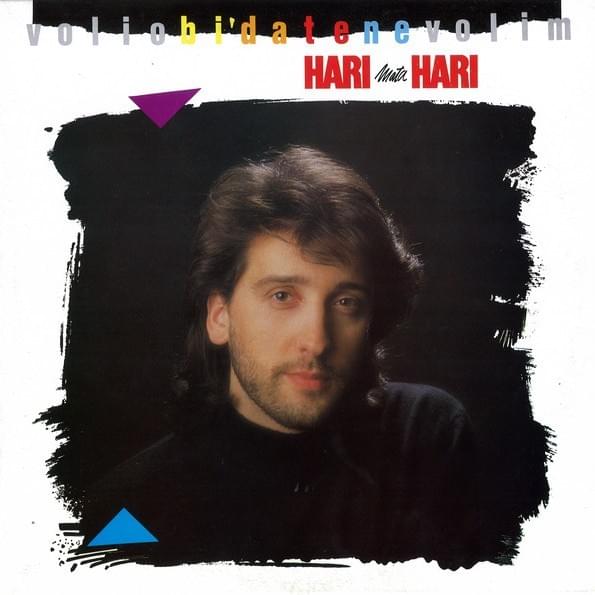 Godina Za Godinom Godina Za Godinom | N/A | Volio bi’ da te ne volim |
| 07 | 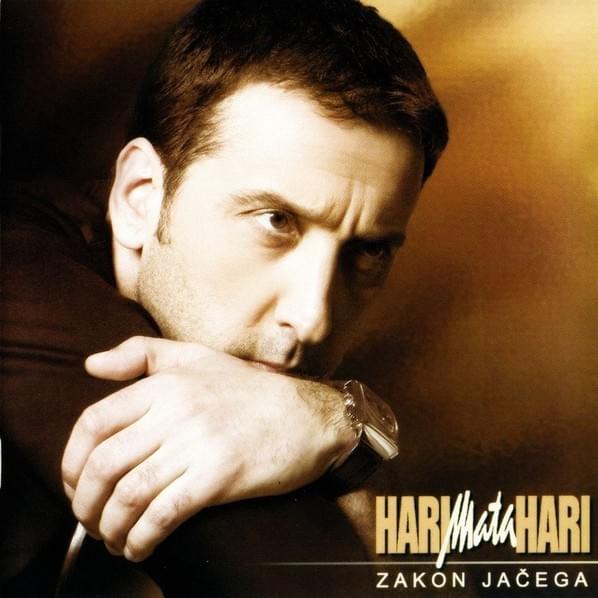 Kad Jesen Zamuti Kad Jesen Zamuti | N/A | Zakon jačega |
| 08 | 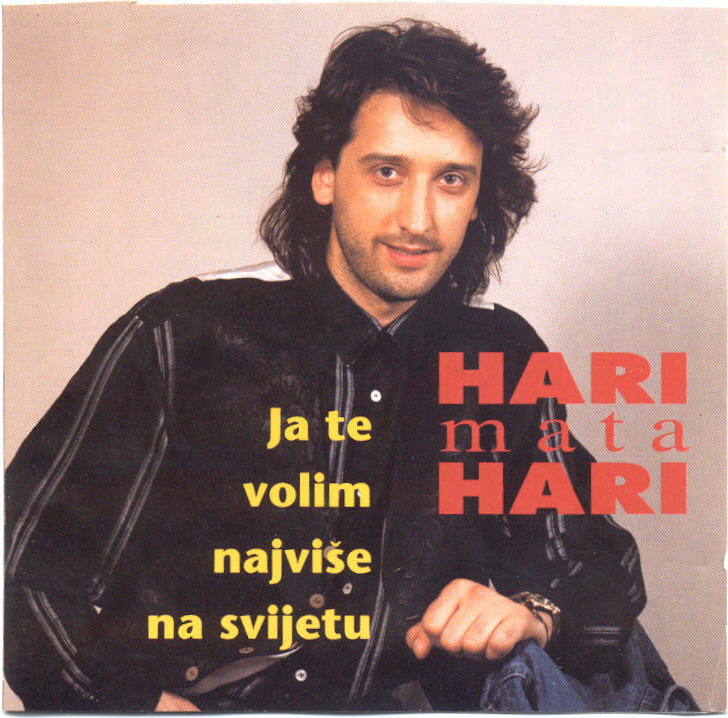 Hej Kako Si Hej Kako Si | N/A | Ja te volim najviše na svijetu |
| 09 | Starac I More | N/A | Balade 1992 - 2002 |
| 10 | 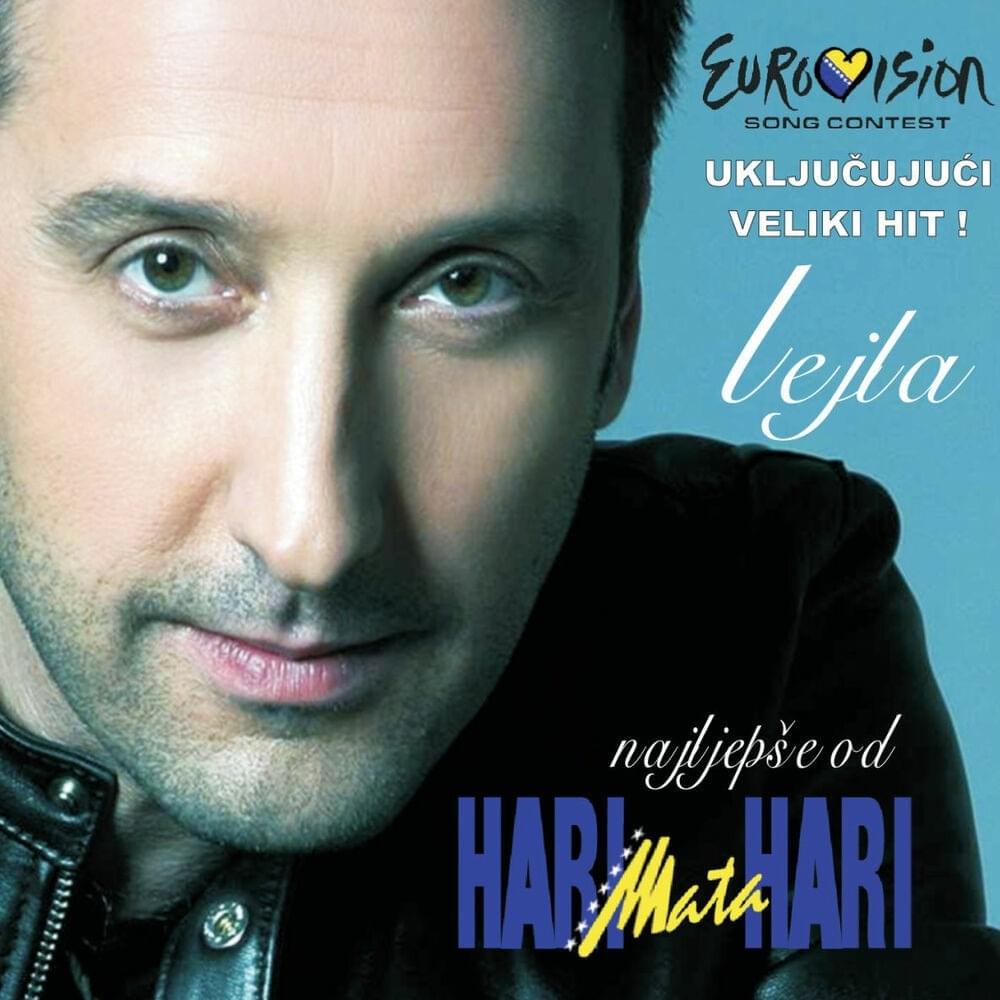 Prsten I Zlatni Lanac Prsten I Zlatni Lanac | N/A | Najljepše od Hari Mata Hari |
| 11 | Kada Izgorim | N/A | Baš ti lijepo stoje suze |
| 12 | Moj Si Porok | N/A | Zakon jačega |
| 13 | Ruzmarin | N/A | Balade 1992 - 2002 |
| 14 | Kao domine | Jan 1, 2009 | Balade 1992 - 2002 |
| 15 | Sedamnaest Ti Je Godina | Jan 1, 1988 | Najljepše od Hari Mata Hari |
| 16 | 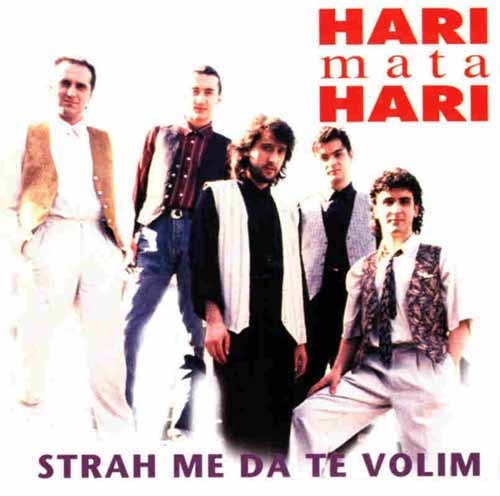 Sjeti Se Ljeta Sjeti Se Ljeta | N/A | Strah me da te volim |
| 17 | Kad Izgorim | N/A | Balade 1992 - 2002 |
| 18 | Nije Cudo Sto Te Volim Ludo | N/A | Balade 1992 - 2002 |
| 19 | 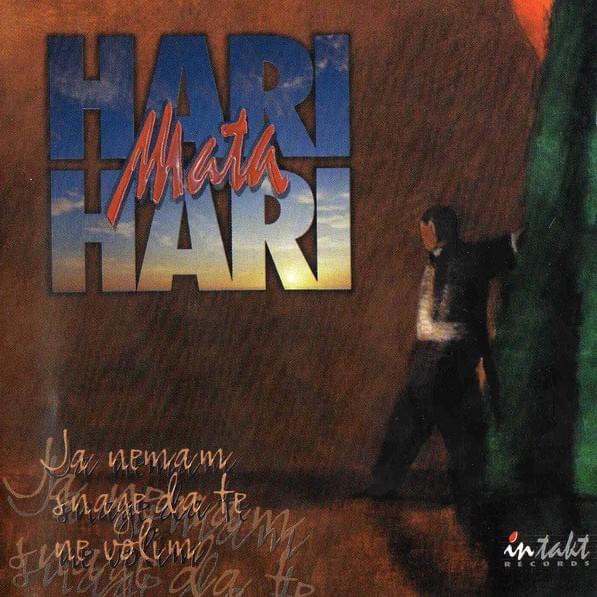 Znam Da Te Gubim Znam Da Te Gubim | N/A | Balade 1992 - 2002 |
| 20 | Jutros mi je ruža procvjetala | N/A | Sreća |
Reviews
Comments
Questions & Answers
Music Awards
0 Total
No Music Awards Found