Song Meaning
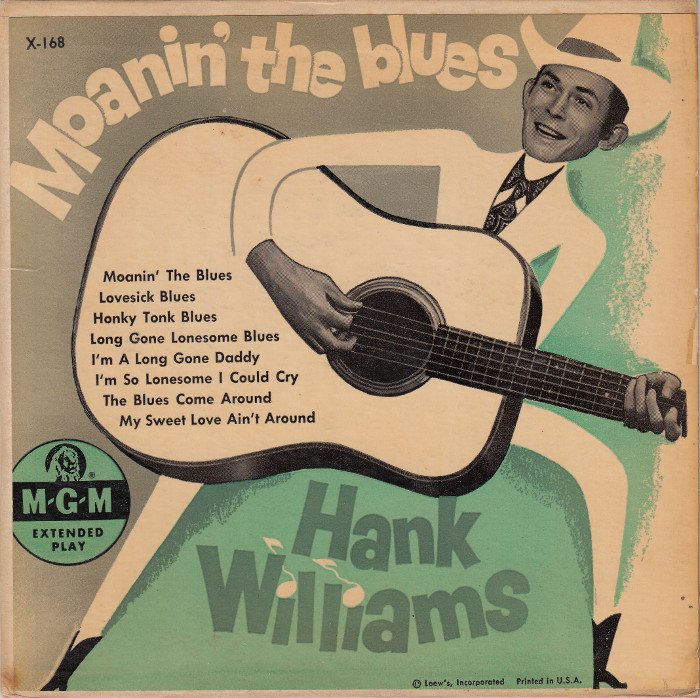
Hank Williams' "My Sweet Love Ain't Around" isn't just a lament; it's a psychological portrait of grief as a catalyst for self-imposed exile. The relentless rain isn't just weather; it's a sonic manifestation of the protagonist's internal state, a classic pathetic fallacy deployed with devastating simplicity. The 'lonesome sound' becomes the soundtrack to a broken heart, a heart so profoundly wounded that the only perceived remedy is escape. The lyrics don't detail the reasons for the love's absence, choosing instead to focus on the raw, immediate aftermath. This avoidance suggests a trauma so deep that direct confrontation is impossible; displacement becomes the only viable coping mechanism.
The repeated declaration, 'Cause my sweet love ain't around,' functions as both a statement of fact and a mantra of despair. It's a grounding point in a world that has suddenly tilted off its axis. The impulse to 'ramble' isn't presented as a grand adventure, but as a desperate act of self-preservation. The 'weary town' is less a geographical location and more a symbolic representation of a life now rendered unbearable by absence. The singer's world has shrunk to the size of his pain, and anything associated with the lost love becomes a trigger to be avoided.
The almost defiant tone in the lines about leaving 'on that train tonight' and not revealing his destination underscores the singer's complete withdrawal. He's not seeking solace or understanding; he's severing ties. This isn't a journey of hope, but a flight from pain. The finality of 'I can't stay here any longer' resonates with a profound sense of hopelessness. In essence, "My Sweet Love Ain't Around" captures the moment when grief transcends sadness and becomes a directive, forcing a radical reshaping of one's existence. It's a stark reminder of love's power not only to elevate, but also to utterly dismantle.
 View Artist