Song Meaning
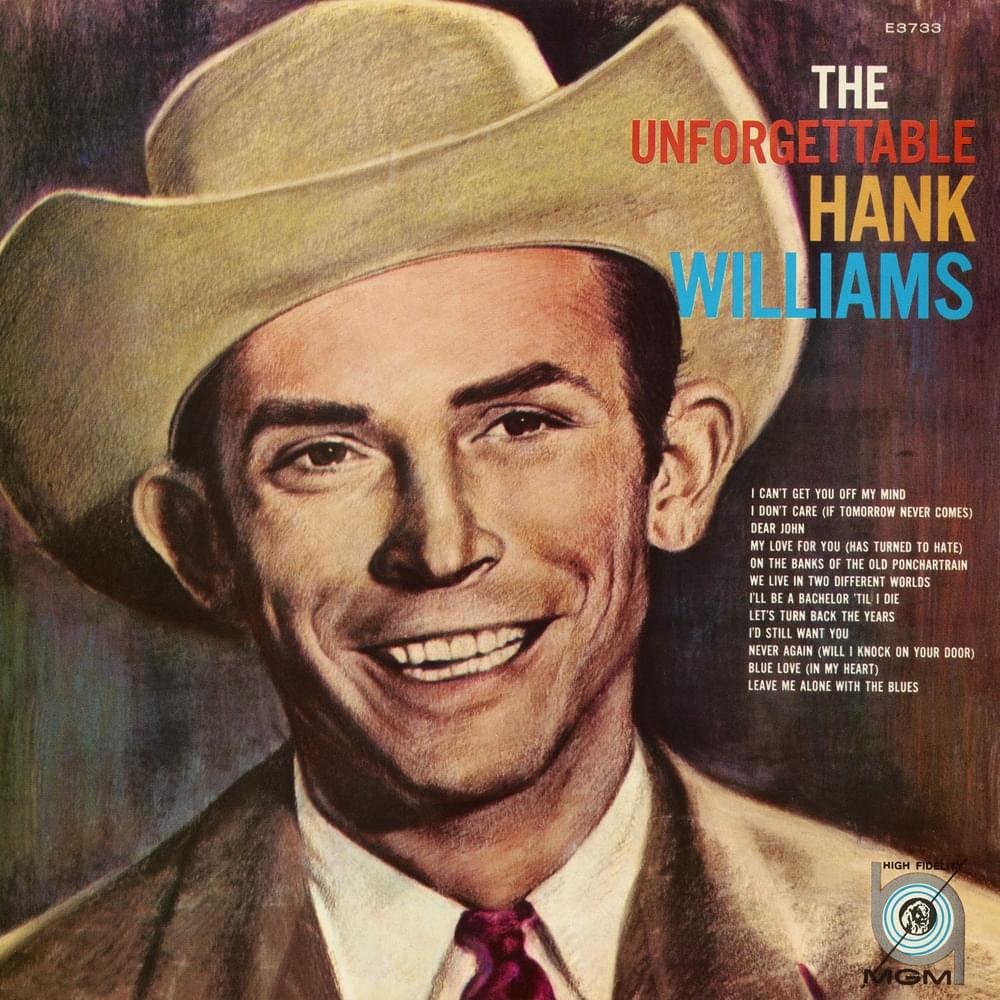
{"song_id": 10910635, "meaning": "Hank Williams's \"Let's Turn Back The Years\" isn't just a country ballad; it's a concentrated dose of romantic desperation, a plea wrung from the rawest nerve endings of lost love. The song's premise is simple, yet emotionally devastating: a yearning to rewind time to a point before separation, before the idyllic happiness soured. The repetition of the title phrase acts as both a chorus and a mantra, underscoring the obsessive nature of regret and the speaker's unwillingness to accept the present reality. It's a form of denial, a refusal to let go of a past that, in retrospect, seems infinitely brighter than the lonely now. The lyrics paint a picture of a love that was once a source of profound joy, now tainted by tears and absence. The core belief, repeated almost like a fragile prayer, is that \"love like ours should never die.\"
The psychological weight of \"Let's Turn Back The Years\" stems from its exploration of counterfactual thinking – the human tendency to imagine alternative scenarios and outcomes. The speaker is trapped in a loop of \"what ifs,\" torturing himself with the possibility of a different path. This kind of nostalgic idealization is common in the aftermath of heartbreak, as the mind selectively remembers the good and diminishes the bad, creating an idealized version of the relationship that is often unattainable. Williams taps into this universal experience with haunting simplicity.
The song's power lies not in lyrical complexity, but in its directness and emotional honesty. There's no elaborate storytelling or poetic metaphor, just a raw, unfiltered expression of longing. The simplicity of the language amplifies the impact, making the sentiment feel immediate and relatable. It's a testament to Williams's ability to distill complex human emotions into their most essential form, leaving the listener with a sense of profound empathy for the speaker's pain. The song becomes less about a specific lost love and more about the universal human struggle to cope with loss and the painful realization that some wounds, despite our deepest desires, cannot be healed by simply turning back the clock."}
 View Artist