Song Meaning
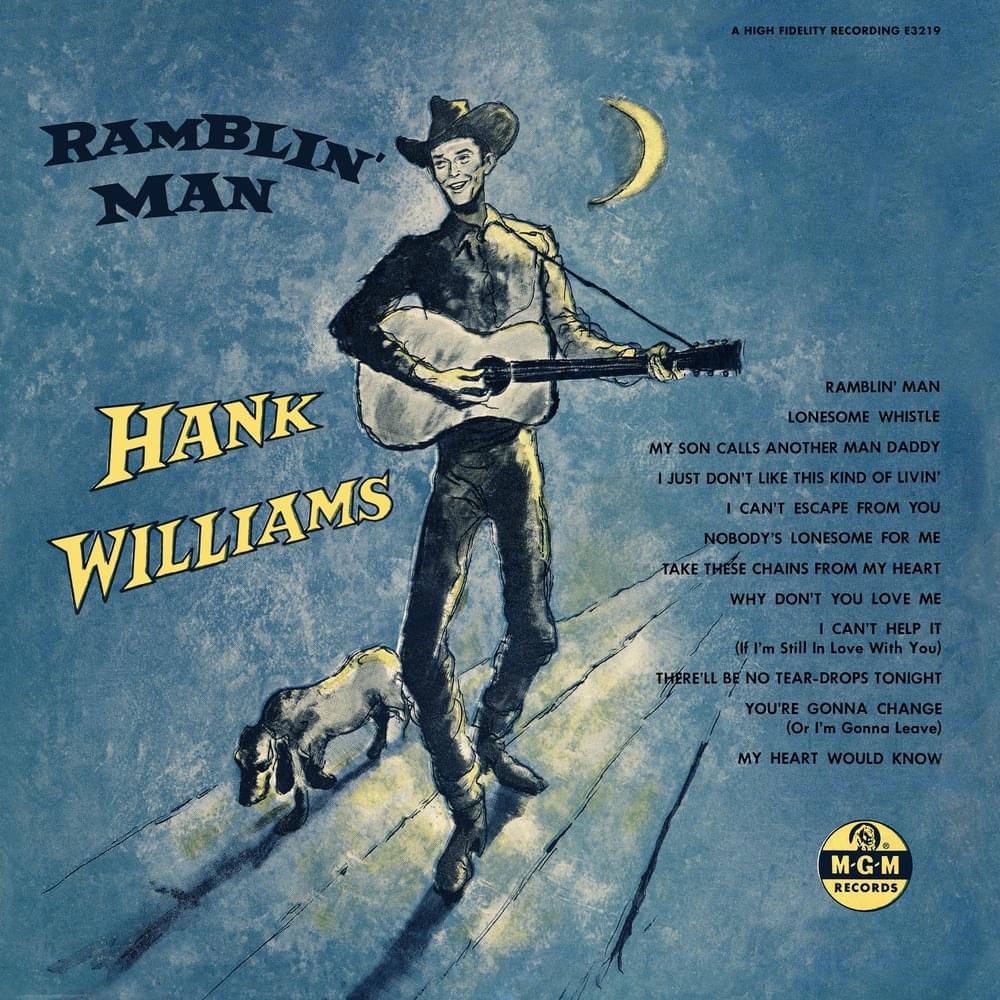
Hank Williams’s “I Can’t Escape from You” isn't just a country lament; it's a masterclass in psychological imprisonment. The song isn't about physical distance, but the inescapable gravity of a past relationship. It's a stark portrayal of how a person can become a phantom limb, a constant reminder of what's been lost, or perhaps, what never truly existed. The lyrics paint a portrait of a man desperately attempting to outrun his own mind, to sever the ties that bind him to a love gone sour. But every escape route dead-ends with the haunting realization: "I can't escape from you."
The repeated attempts at self-medication through "a jug of wine" underscore the depth of the narrator's despair. It's a futile effort to numb the pain, a temporary reprieve that ultimately amplifies the underlying sorrow. This speaks to a deeper, almost addictive attachment to the memory of the lost love. The "wasted tears" aren't just signs of sadness, they're "souvenirs," precious relics of a love the narrator believed to be true. This clinging to the past, even the painful parts, reveals a fear of letting go, a resistance to accepting a future devoid of the relationship.
The final verse seals the narrator's fate. There's no hope for a happy ending, no optimistic outlook. He's a "slave" to a "heart of stone," forever bound to a love that offers no solace. The idea of being enslaved to a heart of stone is particularly brutal, a metaphor for emotional unavailability and the power that it wields. The song then becomes an exploration of the dark side of love, the kind that leaves you trapped in a cycle of longing and regret, with no key to unlock the chains. The stark simplicity of the language only heightens the impact, making "I Can't Escape from You" a timeless meditation on the enduring power of memory and the psychological shackles of lost love.
 View Artist