Song Meaning
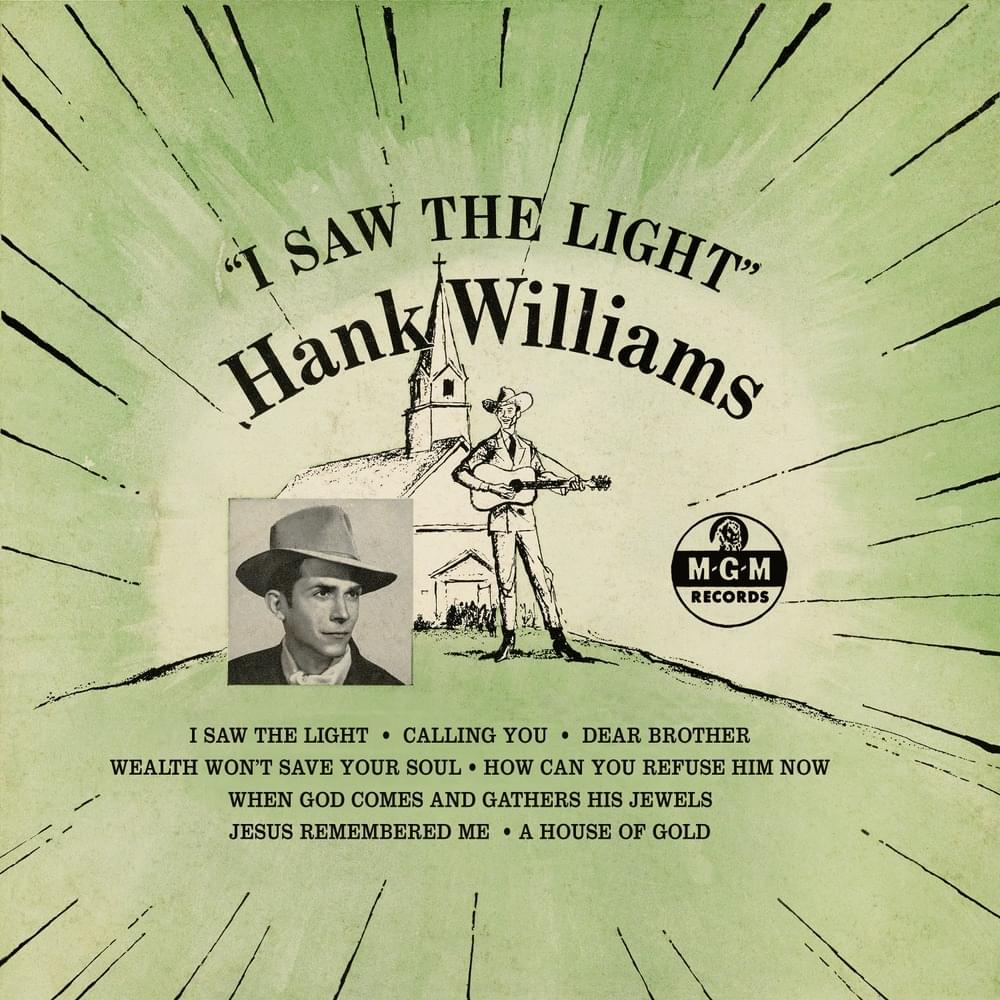
Hank Williams' gospel plea, "How Can You Refuse Him Now," isn't subtle. It's a direct, almost confrontational invitation to faith, steeped in the imagery of Christ's crucifixion. The song meaning hinges on emotional persuasion, repeatedly asking the listener to consider the sacrifice made. It bypasses theological complexities, focusing instead on the raw, visceral image of suffering and the implied guilt of rejection. The question posed in the title isn't really a question at all; it's a rhetorical hammer blow, designed to break down resistance through sheer emotional weight. It's a fascinating study in the psychology of religious conversion, relying on empathy and the fear of divine disapproval. The repeated lines hammer the point home, creating a sense of urgency and inescapable moral obligation.
The core of the song relies on a familiar narrative: the story of Jesus's crucifixion, told in simple, unadorned language. There's a deliberate lack of poetic flourish, which arguably amplifies the song's power. Phrases like "nailed His hands" and "blood flowed from His side" are stark and unflinching, designed to evoke a physical reaction in the listener. The song also touches upon the theme of forgiveness, referencing Jesus's plea, "Father forgive them please." This adds another layer to the emotional appeal, suggesting that even in the face of unimaginable pain, compassion and understanding are possible. It also subtly reinforces the listener's potential for redemption, implying that even those who have turned away can still be forgiven.
Ultimately, "How Can You Refuse Him Now" functions as a powerful piece of persuasive rhetoric set to music. It's less about theological doctrine and more about emotional manipulation, albeit with arguably noble intentions. The song's enduring appeal likely lies in its directness and its ability to tap into fundamental human emotions: guilt, empathy, and the desire for forgiveness. By framing faith as an almost impossible-to-refuse offer, Williams creates a compelling and enduring call to conversion. It is a testament to the power of simple language and emotionally charged imagery in shaping religious belief and behavior.
 View Artist