Song Meaning
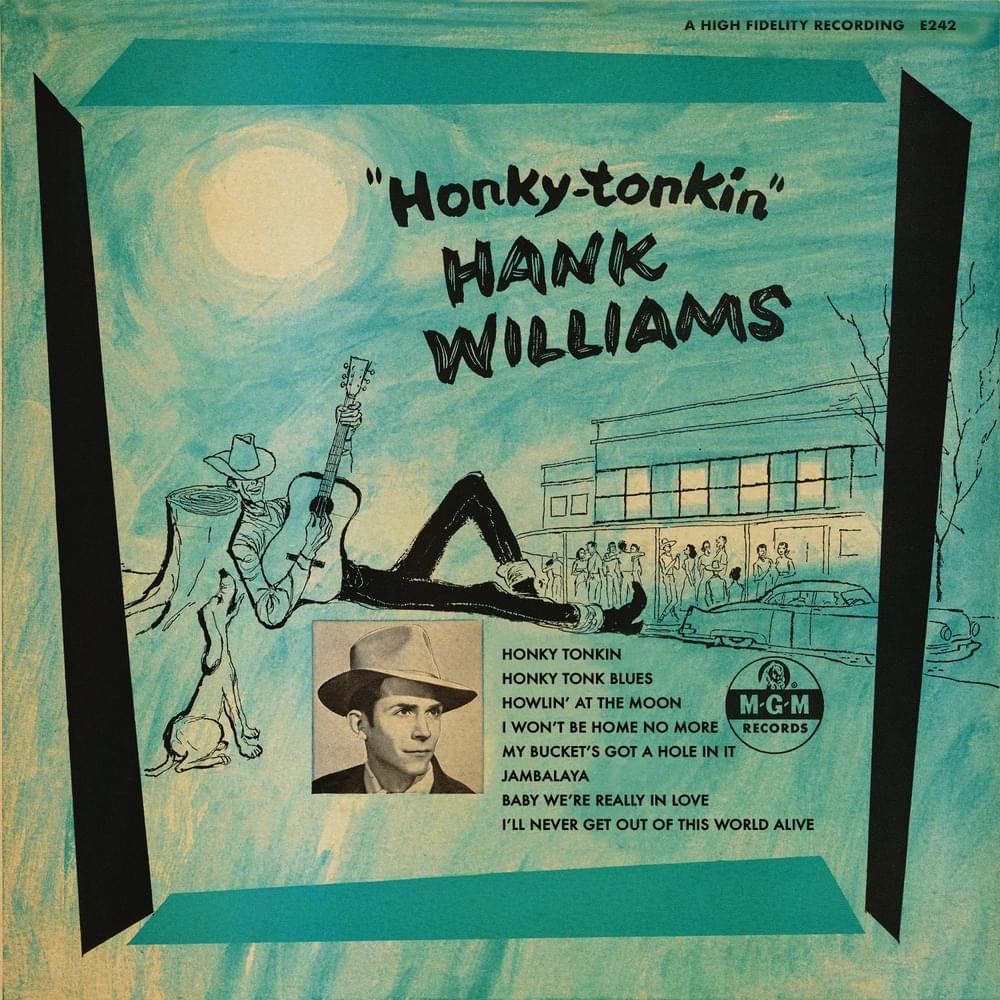
{"song_id": 10899120, "meaning": "Hank Williams' \"Honky Tonkin'\" isn't just a song; it's an invitation to a specific kind of emotional and social transaction. Stripped down, the lyrics offer a simple proposition: loneliness and heartbreak are currency, and the honky-tonk is the bank. Williams isn't offering solutions, but rather a temporary anesthetic – a place to drown sorrows in the company of others doing the same. The repeated phrase \"honky tonkin'\" acts as a mantra, a hypnotic suggestion to abandon oneself to the collective pursuit of fleeting pleasure. It's a primal urge dressed up in Western swing.
The genius of \"Honky Tonkin'\" lies in its understanding of human vulnerability. Williams taps into the basic need for connection, especially when wounded. The lyrics acknowledge the pain of failed relationships (\"When you and your baby have a fallin' out\") and the isolating effects of sadness (“When you are sad and lonely and have no place to go\"), offering the honky-tonk as a refuge, a place where those feelings can be momentarily forgotten – or at least shared. There's a subtle transactional element, too; the request to \"bring along some dough\" hints at the fleeting, even exploitative, nature of the connection. This isn't about deep healing, it's about buying a temporary reprieve.
Ultimately, the song meaning of \"Honky Tonkin'\" is rooted in the bittersweet reality of seeking solace in transient experiences. The driving rhythm and catchy melody create an undeniably appealing atmosphere, but beneath the surface lies a recognition of the cyclical nature of heartbreak and the often-futile search for comfort in a bottle or a fleeting encounter. The constant repetition of the chorus emphasizes the ritualistic aspect of this pursuit, transforming the honky-tonk into a space where the shared language of loss is spoken fluently, even if it offers only a temporary escape. The song is about the perpetual search for connection and forgetting, a timeless theme delivered with Williams' signature blend of raw emotion and musical swagger."}
 View Artist