Song Meaning
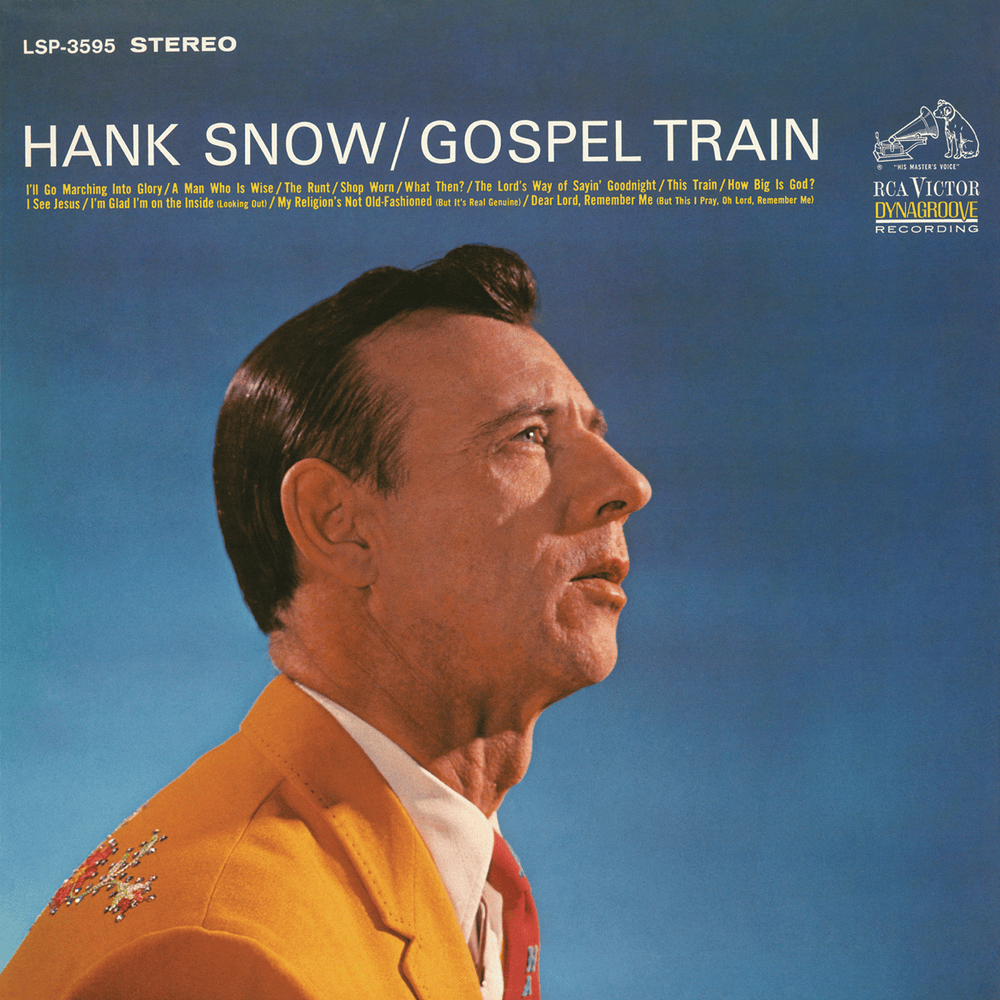
Hank Snow's "This Train" isn't just a gospel number; it's a stern moral gatekeeper disguised as a children's rhyme. The relentless repetition of "This train is bound for glory" drills the message home, but the glory isn't for everyone. Snow isn't offering universal salvation, but a highly selective boarding pass. The song's power lies in its exclusionary criteria. The repeated assertion that "This train don't carry no gamblers" and "This train don't carry no sinners" paints a stark picture of who's deemed worthy. It's a fascinating, if unsettling, glimpse into a rigid moral framework. The train becomes a metaphor for a narrow path to redemption, one where perceived moral failings are grounds for exclusion. The seemingly innocent invitation to "Get aboard little children" takes on a darker hue when considered alongside the list of those deemed unfit to ride. What lessons are the children absorbing about judgment and acceptance? The song subtly hints at the psychological weight of religious doctrine, and the inherent anxieties around worthiness and belonging.
It's also important to note the social commentary embedded within the lyrics. By explicitly stating the train carries no "pick powers nor the hobo ramblers" Snow is commenting on class and societal expectations as much as personal salvation. The "hobo ramblers" represent those who are down on their luck, or perhaps those who choose a different path, outside of the norm. "Pick powers" is more obscure, but could refer to those who try to wield influence or take shortcuts, perhaps suggesting that those who don't play by the rules will be left behind. The song does not just ask to be righteous but to be so in a way that conforms with societal expectations.
Ultimately, "This Train" functions as both an invitation and a warning. It suggests that salvation is attainable, but only through strict adherence to a specific moral code. The repetitive nature of the lyrics reinforces the feeling of relentless pressure to conform, highlighting the psychological toll of striving for unattainable levels of perfection. It's a catchy tune with a potent subtext about the anxieties of faith and the fear of being left behind.
 View Artist